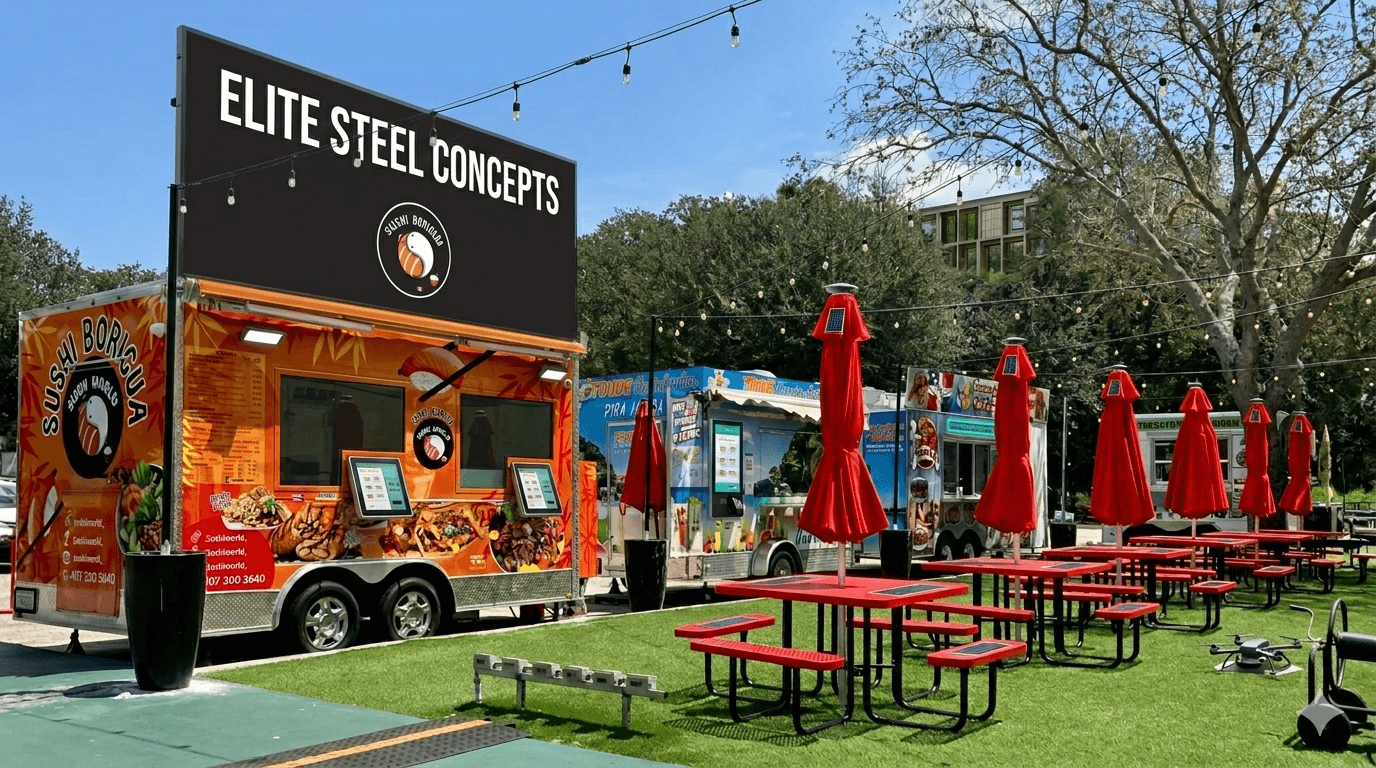
The food truck industry has become an exciting opportunity for entrepreneurs looking to enter the food service business without investing in a traditional restaurant. From gourmet burgers and Mexican street food to specialty coffee and fresh desserts, there are countless types of food trucks serving different tastes and customer preferences. Their flexibility, mobility, and ability to operate at festivals, private events, business districts, and busy streets make them attractive to new and experienced business owners. Choosing the right custom food truck builders is one of the most important decisions when starting your business. Your menu, target audience, equipment, and operating location all influence your potential success. Whether you want to launch a small coffee truck or a fully equipped mobile kitchen, understanding popular food truck cuisines and business ideas can help you make a more informed investment.
What Is a Food Truck Business?
A food truck business is a custom mobile food service operation that prepares and sells meals, snacks, or beverages from a specially equipped vehicle. Unlike traditional restaurants, custom food trucks can travel between different locations and reach customers where demand is highest.
Food trucks, food carts, and custom food trailers serve similar purposes but have different operating capabilities. Food trucks are motorized vehicles with built-in kitchens, while food carts are generally smaller setups with limited cooking equipment. Food trailers are towable mobile kitchens that can offer larger workspaces and customized equipment layouts.
The concept behind the business matters just as much as the vehicle. A successful food truck needs a focused menu, suitable equipment, an efficient kitchen layout, and a clear understanding of its target customers.
Main Types of Food Trucks by Cuisine
Different cuisines attract different audiences. Here are some of the most popular food truck ideas for entrepreneurs planning to enter the mobile food industry.
Taco and Mexican Food Trucks
Mexican food trucks are popular for their flavorful menus, quick preparation, and variety of affordable meal options. They commonly serve tacos, burritos, quesadillas, nachos, and loaded bowls.
These trucks appeal to customers looking for convenient street food with customizable ingredients and toppings.
Popular menu items:
- Beef, chicken, and fish tacos
- Loaded nachos
- Burritos and quesadillas
- Mexican rice bowls
- Fresh salsa and guacamole
Burger and Sandwich Trucks
Burger and sandwich trucks are suitable for lunch crowds, office workers, students, and people attending outdoor events. Their menus can range from classic cheeseburgers to gourmet sandwiches with premium ingredients.
A well-designed cooking area with grills, refrigeration, preparation counters, and proper ventilation helps maintain an efficient workflow.
Popular menu items:
- Classic cheeseburgers
- Double smash burgers
- Grilled chicken sandwiches
- Philly cheesesteaks
- Loaded fries and sliders
Pizza Food Trucks
Pizza food trucks bring freshly prepared pizza to festivals, private events, outdoor markets, and community gatherings. Some use traditional ovens, while others feature specialized wood-fired or mobile pizza oven setups.
The equipment layout should provide enough space for dough preparation, ingredient storage, cooking, and serving.
Popular menu items:
- Margherita pizza
- Pepperoni pizza
- BBQ chicken pizza
- Vegetarian pizza
- Garlic bread and cheesy sides
BBQ and Grilled Food Trucks
BBQ food trucks attract customers who enjoy smoked meats, grilled dishes, and traditional barbecue flavors. Depending on the concept, they may require smokers, grills, specialized ventilation, and adequate food storage.
They are especially suitable for outdoor festivals, sporting events, catering, and weekend markets.
Popular menu items:
- Smoked brisket
- Pulled pork sandwiches
- BBQ chicken
- Smoked ribs
- Grilled corn and loaded baked potatoes
Asian Fusion Food Trucks
Asian fusion food trucks combine traditional Asian dishes with modern street food concepts. They can serve Korean, Japanese, Chinese, Thai, or other regional cuisines.
These businesses appeal to customers looking for bold flavors, convenient meals, and unique menu combinations.
Popular menu items:
- Korean BBQ bowls
- Ramen
- Dumplings
- Fried rice
- Asian-style street tacos
Mediterranean and Middle Eastern Food Trucks
Mediterranean and Middle Eastern food trucks offer flavorful meals with grilled meats, fresh vegetables, rice, and sauces. They can attract customers seeking filling meals with customizable ingredients.
Popular menu items:
- Chicken and beef shawarma
- Falafel wraps
- Grilled kebabs
- Hummus and pita
- Mediterranean rice bowls
Fried Chicken and Fast Food Trucks
Fried chicken and fast food trucks focus on quick-service meals that are popular with families, students, and busy customers. These businesses may require commercial fryers, refrigeration, preparation stations, and proper ventilation.
Popular menu items:
- Fried chicken tenders
- Chicken sandwiches
- Chicken wings
- Hummus and pita
- Loaded fries
- Chicken wraps
Seafood Food Trucks
Seafood trucks provide fresh and flavorful options for coastal communities, festivals, and outdoor events. Their operations require careful refrigeration, food handling, and temperature control.
Popular menu items:
- Fish tacos
- Shrimp rolls
- Lobster rolls
- Fried fish baskets
- Seafood sandwiches
Beverage and Dessert Food Trucks
Beverage and dessert food trucks are another attractive category for entrepreneurs. They can operate at festivals, school events, weddings, business locations, and seasonal markets.
Coffee and Tea Trucks
Coffee trucks serve customers who want convenient beverages while commuting, working, or attending events. Their equipment may include espresso machines, coffee grinders, refrigerators, and water systems.
Popular menu items:
- Espresso and cappuccino
- Iced coffee
- Lattes
- Specialty teas
- Hot chocolate
Ice Cream, Gelato, and Frozen Yogurt Trucks
Ice cream trucks are popular during warmer months and at family-oriented events. They generally require commercial freezers, refrigeration, and storage systems to maintain product quality.