Choosing Between a Food Trailer and Truck for Your Startup Budget
One of the first and most important decisions every new food entrepreneur faces is this: should you invest in a food trailer and truck, or choose one over the other?
With thousands of monthly searches for food trailers and trucks,
buy a food truck new, and Buy Food Trailers, it’s clear that this is a high-intent, purchase-stage decision. The option you choose impacts your startup budget, daily operations, mobility,
kitchen size, and long-term growth of your
food truck business.
In this guide, we’ll break down the real differences between a food trailer and truck so you can confidently decide which model fits your concept, budget, and business goals.
What Is a Custom Food Truck?
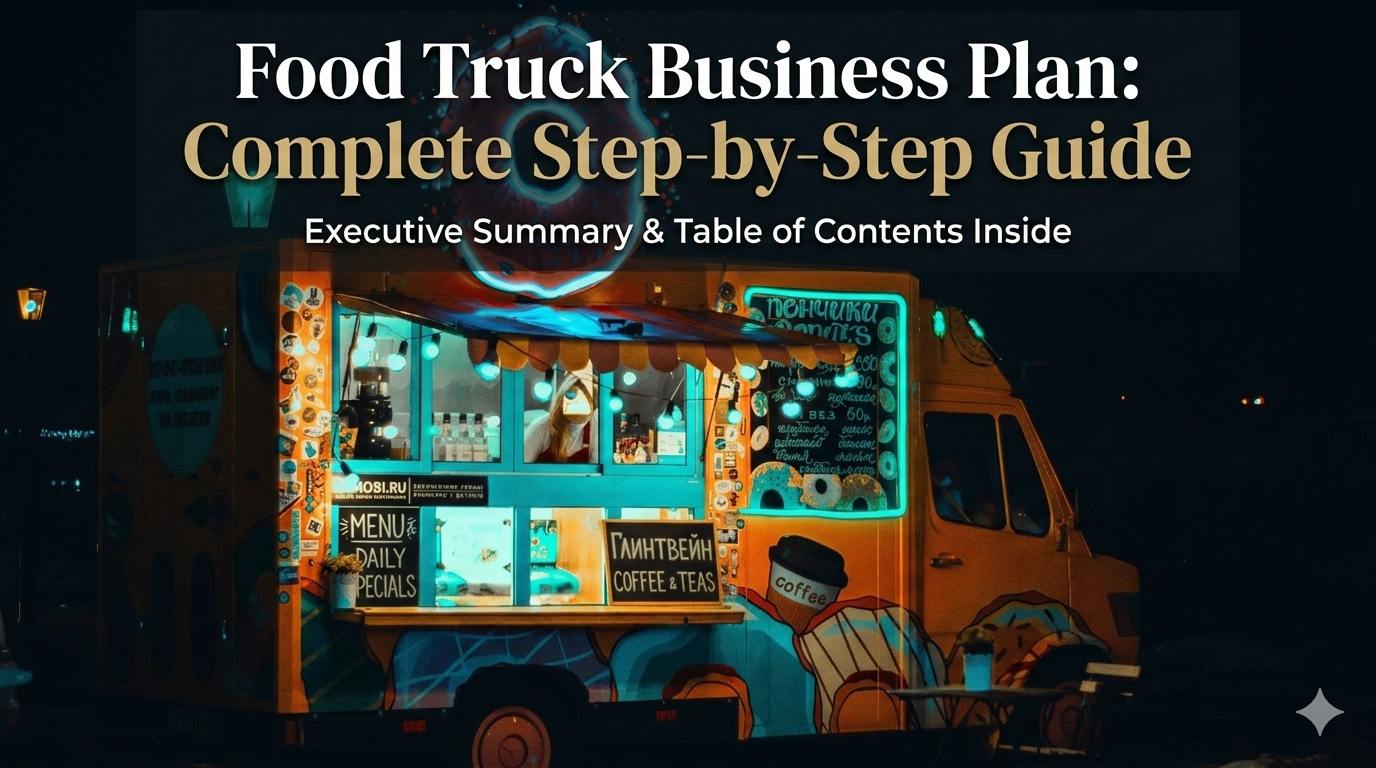
A food truck is a fully self-contained mobile kitchen built inside a motorized vehicle. Unlike a food trailer, it does not require a separate towing vehicle. Everything — engine, kitchen, storage, and serving window — is integrated into one unit.
Today’s
Custamized Food Trucks are engineered for efficiency. A professional food truck builder designs the layout around your menu, workflow, and local compliance requirements.
Typical Uses
Food trucks are ideal for:
Street vending in busy urban areas
Corporate lunch programs
Food truck catering near me searches
Weddings (food truck at wedding / food truck catering wedding)
High-traffic food truck events
Concepts like coffee food truck near me or tacos food truck near me
If you’ve searched Where to buy a food truck or food truck for sale new, you’re likely looking for flexibility and brand visibility.
Pros of a Food Truck
Maximum mobility
Faster daily relocation
Strong visual branding (custom food truck design and food truck logos)
Ideal for rotating locations
Easier access to city-based permits
Cons of a Food Truck
igher upfront cost compared to most food trailers
Engine and vehicle maintenance
Slightly limited kitchen space compared to large trailers
If you’re serious about purchasing a food truck, always work with experienced food truck builders near me or food truck manufacturers near me to ensure compliance and durability.
What Is a Concession Trailer?
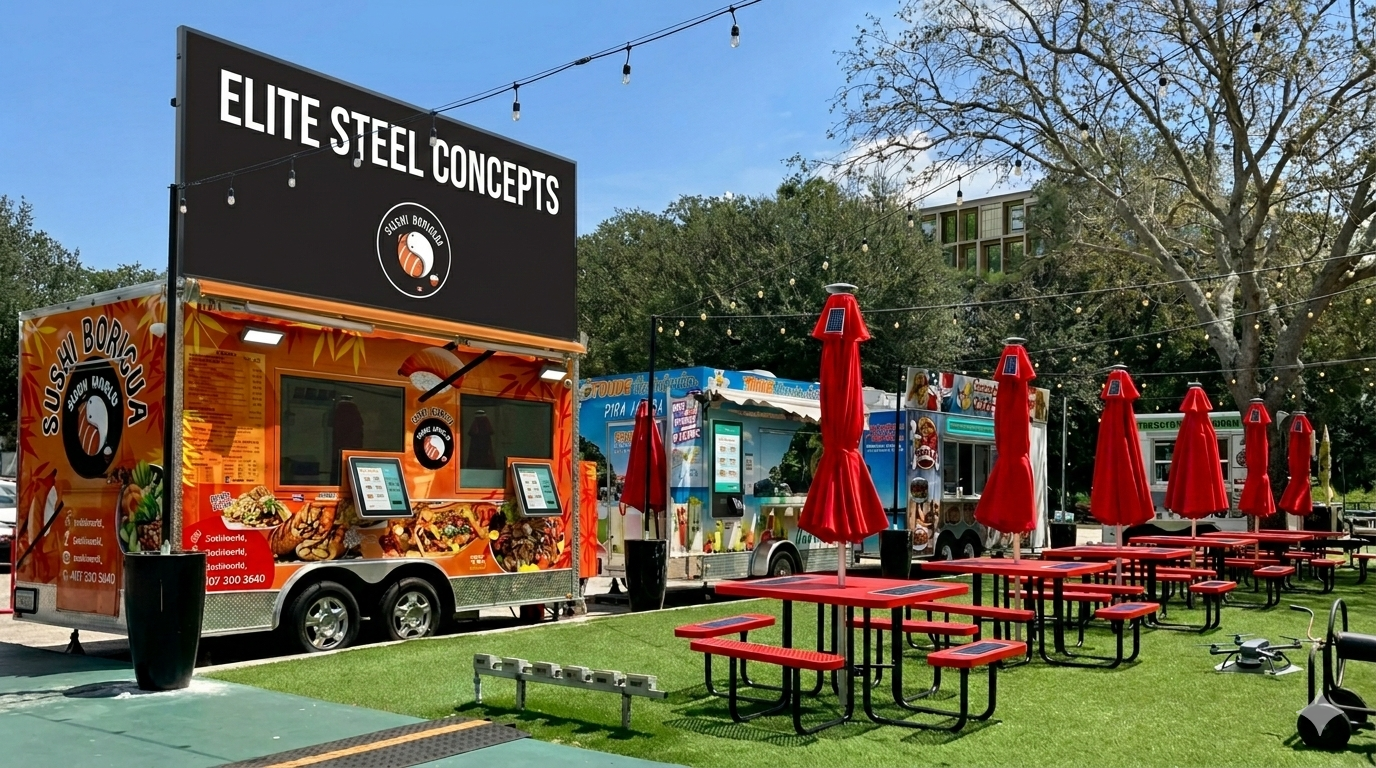
A concession trailer (commonly called a food trailer) is a non-motorized mobile kitchen that must be towed by a separate truck for food truck operations.
Entrepreneurs looking for Small food trailers for sale or planning to Buy Food Trailers often choose this option due to lower startup cost and larger kitchen capacity.
Typical Uses
Food trailers are popular for:
Fairgrounds and festivals
Semi-permanent vending locations
Event catering
Food van catering models
High-volume service concepts
Many operators searching for food truck trailers for sale or
custom food trailers prefer this setup for event-focused businesses.
Pros of a Food Trailer
Lower upfront investment
Larger interior cooking space
No engine maintenance
-Easier kitchen expansion (similar to a mobile home kitchen renovation approach)
Excellent for large equipment setups
Cons of a Food Trailer
Requires towing vehicle
Slightly longer setup time
Less convenient for daily location changes
If you’re researching food trailer truck for sale or food trailers, ensure the build meets health codes and safety standards.
Side-by-Side Comparison: Food Truck vs. Food Trailer
Mobility and Route Flexibility:
If your business model involves frequent movement between food truck events near me, office parks, and city centers, a truck wins in mobility.
A New Food Truck is easier to drive, park, and reposition daily.
However, if you mainly attend larger food truck festival charleston–style events or seasonal fairs, a food trailer works perfectly.
Kitchen Size and Equipment Capacity
Food trailers often provide more interior space, making them ideal for:
Burger trucks for sale
Lunch trucks for sale
Food truck breakfast operations
For sale taco truck concepts
Larger space allows for expanded food truck equipment like double
fryers, flat tops, and larger refrigeration systems.
Food trucks, on the other hand, are optimized for efficiency. With expert food truck manufacturing, every inch is designed for workflow.
Licensing and Permit Requirements
Both require food truck permits and licenses. Local regulations may differ, but health departments typically inspect:
Plumbing systems
Electrical systems
Fire suppression systems
Food truck generator setup
Before purchasing a food truck or food trailer, confirm your builder understands city-specific requirements.
Ideal Business Model for Each
Choose a Food Truck If:
You want daily mobility
You operate in urban zones
You attend rotating food truck events
You need strong brand visibility
You’re searching food trucks for sale near me
Choose a Food Trailer If:
You operate mostly at events
You need larger kitchen capacity
You’re working with a limited startup budget
You’re exploring concession trailer sales
When to Choose a Food Truck
A food truck is ideal if your goal is flexibility and daily revenue generation.
Entrepreneurs searching buy a food truck new, food truck sales, or buy a food truck are usually ready to build a fully independent mobile food truck business.
Trucks are excellent for:
Ice cream truck models
Mexican food trucks near me concepts
Food truck burgers brands
Coffee or specialty beverage setups
If your business plan includes moving between cities — like food truck in richmond, food truck in baltimore, food truck in louisville, or food truck in nashville — mobility is key.
When to Choose a Food Trailer
Choose a food trailer if your strategy focuses on:
Festivals and large gatherings
Food truck catering wedding services
Semi-permanent placements
Event-based food van business models
Those searching food van to buy, food van on rent, or food van wedding concepts often prefer trailers for their larger prep space.
Trailers are also strong choices for operators who already own a heavy-duty truck for towing.
Can You Operate Both? (Fleet Expansion Strategy)
Yes — and many successful operators expand this way.
A common growth strategy:
Start with a food trailer to reduce startup cost.
Validate your food truck business plan.
Expand into a truck for daily city operations.
This hybrid model works well for brands attending multiple food truck festival events while also servicing corporate lunch programs.
Fleet expansion becomes easier when working with experienced food truck manufacturing companies that design scalable units.
How ESC Builds Both — And Helps You Choose the Right One
At ESC, we specialize in:
Custom food truck builders
Food truck builder consultations
Food truck manufacturing
Concession trailer builds
Food service truck for sale units
ed food service truck for sale upgrades
Complete food truck design and fabrication
Our team understands that purchasing a food truck or trailer is a major investment. We guide you through:
Choosing the best truck for a food truck
Layout planning
Equipment selection
Compliance with food truck permits and licenses
Generator sizing
Long-term scaling strategy
Whether you’re searching:
Food trucks and trailers for sale
Lease food truck options
Food truck for lease
Food truck used for sale
Food cart for lease
We provide honest,
expert guidance.
We’ve helped 350+ entrepreneurs launch profitable food truck businesses across different cities and event models.
Frequently Asked Questions
Is a food trailer cheaper than a food truck?
Yes. In most cases, a food trailer costs less upfront than buying a new food truck.
Q: Can I lease instead of buy?
Yes. Many entrepreneurs explore food truck for lease or lease food truck options before committing.
Q: Which has better resale value?
Both hold strong resale value when professionally built, especially high-demand categories like lunch trucks for sale and food truck trailers for sale.
Conclusion: Truck or Trailer?
Choosing between a food trailer and truck isn’t about which is better — it’s about which is right for your goals, budget, and growth strategy.
If you want daily mobility and strong street presence, a food truck is likely your best option.
If you need more kitchen space and lower startup cost, a food trailer may be the smarter move.
Either way, the key is working with experienced professionals who understand food truck manufacturing, permits, design, and long-term scalability.