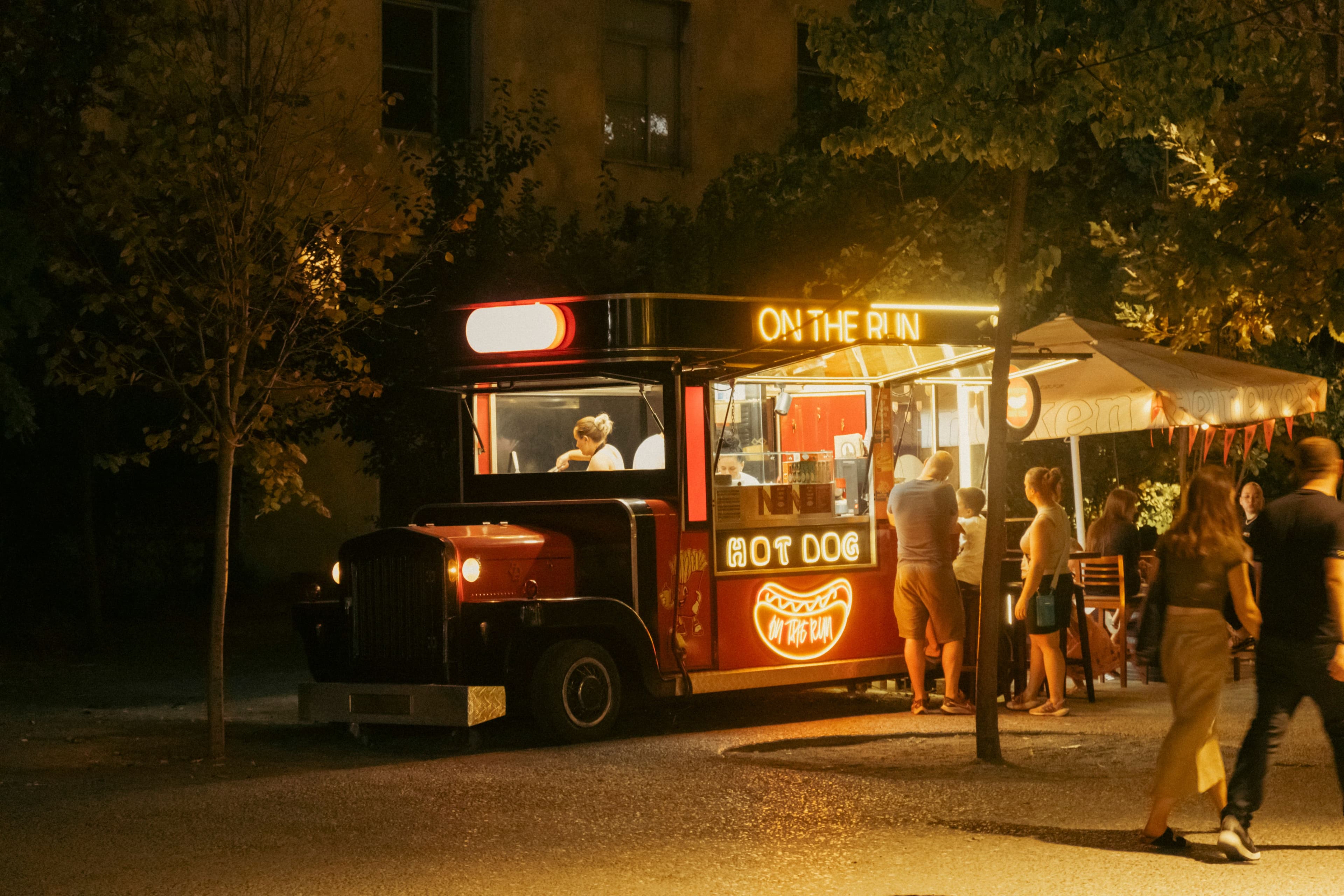
A mobile food business is an exciting opportunity for entrepreneurs and startups who want to serve customers without investing in a traditional restaurant. With lower overhead costs, flexible locations, and customizable kitchen layouts, custom food trailers have become a popular choice for startup food business owners. Understanding the different types of food trailers can help you choose the right mobile kitchen, or, if not, you need experienced custom food trailer builders for your menu, budget, and business goals. From concession and enclosed kitchen trailers to mobile coffee bars, BBQ trailers, and dessert units, each option offers different features and business opportunities. Whether you plan to sell burgers, pizza, coffee, ice cream, or specialty street food, this guide explores popular trailer styles, design, estimated costs, and profitable food trailer business ideas for 2026–27.
What Is a Food Trailer?
A food trailer is a mobile commercial kitchen designed to prepare, cook, store, and serve food from a towable unit. Unlike a traditional restaurant, it can be transported between different locations using a suitable towing vehicle.
Food trailers are available in different sizes and configurations. Some feature basic serving counters, while others include complete commercial kitchens with cooking equipment, ventilation, refrigeration, plumbing, and electrical systems.
Why choose a food trailer?
- Lower initial investment than many traditional restaurant setups.
- Flexible locations for festivals, private events, and busy commercial areas.
- Customizable kitchen layouts according to menu requirements.
- Easier to upgrade or expand as the business grows.
- More interior space in larger trailer configurations.
9 Different Types of Food Trailers for Your Business
Choosing the right equipment for a food trailer depends on your menu, expected customer volume, available space, and equipment requirements. Here are nine popular types of food trailers by Elite Steel Concept to consider when starting a mobile food business.
Concession Food Trailers
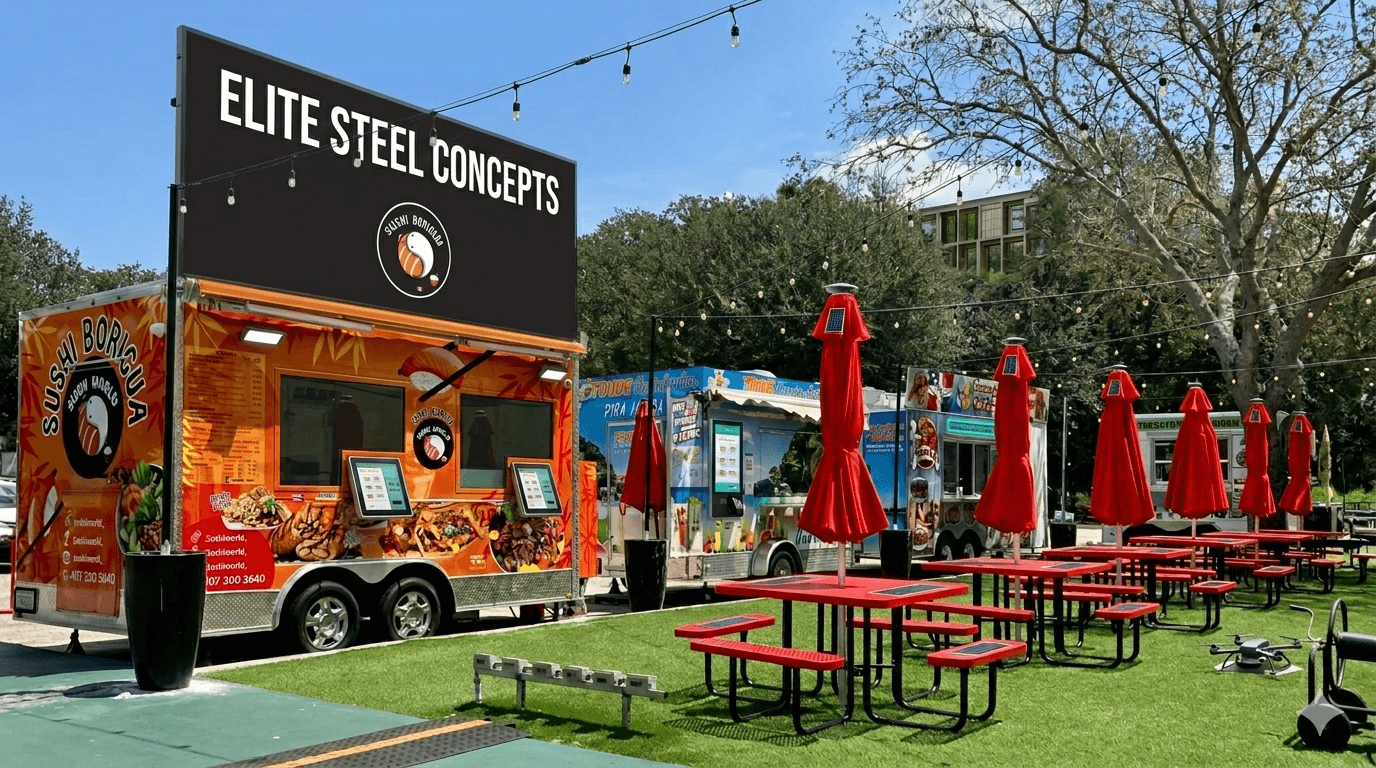
Concession trailers are among the most popular options for entrepreneurs entering the mobile food industry. They typically feature an enclosed cooking area, one or more service windows, food preparation counters, and storage space.
Their flexible layouts make them suitable for different menus and business models.
Typical size: 8–20 feet, depending on configuration.
Key features:
- Customer-facing service windows.
- Stainless steel preparation counters.
- Commercial cooking equipment.
- Refrigeration and storage cabinets.
- Electrical, plumbing, and ventilation systems.
Best suited for: Burgers, hot dogs, sandwiches, fries, tacos, and festival food.
Estimated cost: $15,000–$50,000+ depending on size, equipment, and customization.
Enclosed Kitchen Food Trailers
Enclosed kitchen trailers provide a complete cooking environment with protected interior space. They are designed for businesses that need multiple appliances, organized food preparation areas, and additional storage.
These trailers can accommodate more complex menus than basic serving units.
Typical size: 12–28 feet.
Key features:
- Fully enclosed cooking and preparation areas.
- Commercial grills, fryers, and ovens.
- Exhaust hoods and ventilation systems.
- Refrigerators and freezers.
- Dedicated handwashing and dishwashing facilities.
Best suited for: Full custom service mobile kitchens, catering businesses, and high-volume food operations. You can explore our custom food trailer services to find a trailer designed around your business needs.
Estimated cost: $25,000–$80,000+
Open-Air or Porch Food Trailers
Open-air food trailers feature an accessible serving area, often with a porch-style counter or open service design. They create a casual atmosphere and allow customers to interact easily with staff.
These units are especially suitable for outdoor markets, festivals, and seasonal food businesses.
Typical size: 8–16 feet.
Key features:
- Open serving counters.
- Easy customer access.
- Compact food preparation areas.
- Optional shade covers and awnings.
- Customizable exterior branding.
Best suited for: Street food, snacks, lemonade, sandwiches, and outdoor event catering.
Estimated cost: $10,000–$35,000+.
Mobile Bar and Beverage Trailers
Mobile bar and beverage trailers are designed for businesses that specialize in drinks rather than full meals. Their layouts focus on beverage preparation, ingredient storage, refrigeration, and efficient customer service.
Depending on the business concept and local regulations, they can serve hot drinks, cold beverages, mocktails, or alcoholic drinks.
Typical size: 8–20 feet.
Key features:
- Coffee machines and beverage dispensers.
- Refrigerated storage.
- Ice machines and water systems.
- Dedicated preparation counters.
- Customized drink-serving stations.
Best suited for: Specialty coffee, tea, fresh juices, smoothies, and event beverage services.
Estimated cost: $12,000–$45,000+.
Dessert and Ice Cream Trailers
Dessert and ice cream trailers are built for businesses selling sweet treats and frozen products. They require reliable refrigeration, freezer storage, and attractive product displays to maintain food quality and encourage impulse purchases.
Their colorful exterior designs can also help attract families and event visitors.
Typical size: 8–20 feet.
Key features:
- Commercial freezers and refrigerators.
- Ice cream display cabinets.
- Dessert preparation counters.
- Waffle and crepe machines.
- Proper temperature-control systems.
Best suited for: Ice cream, frozen yogurt, waffles, crepes, donuts, and cakes.
Estimated cost: $15,000–$50,000+.