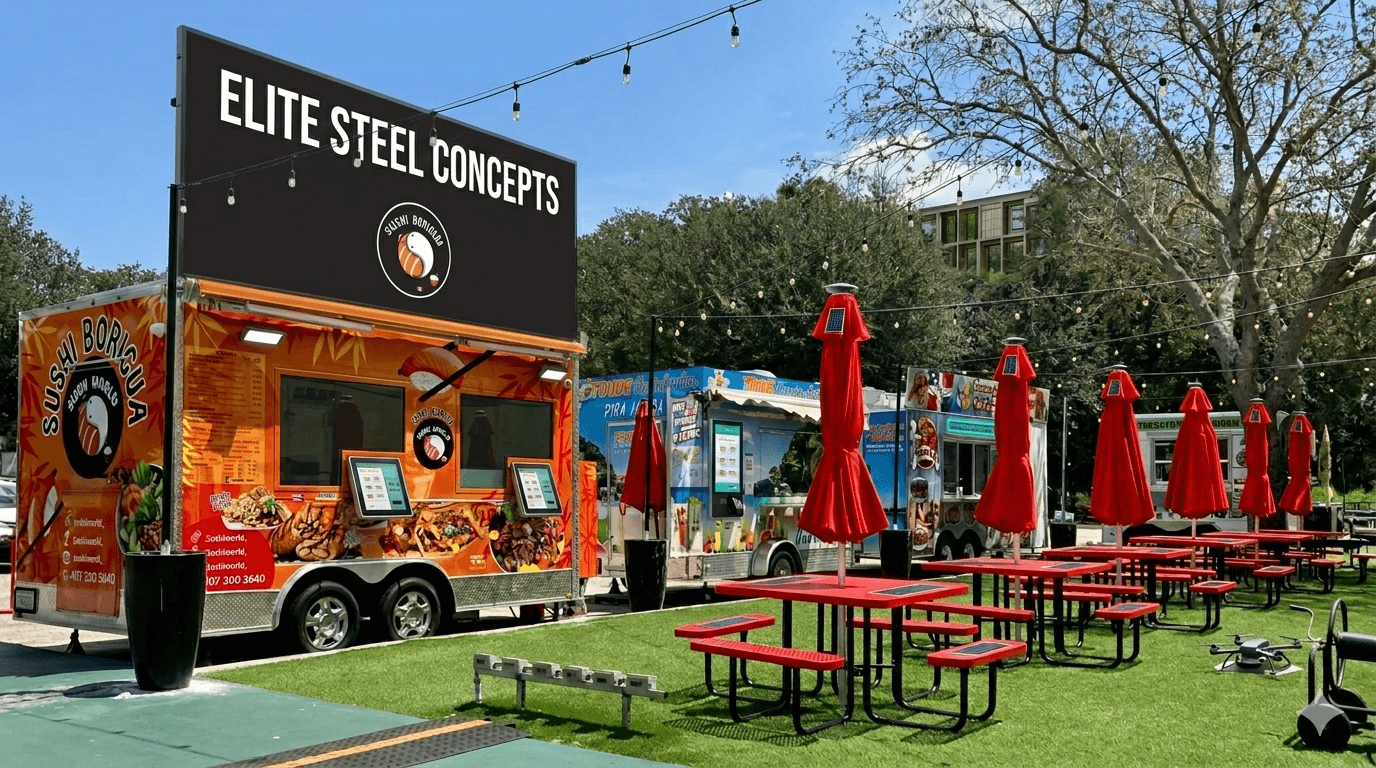
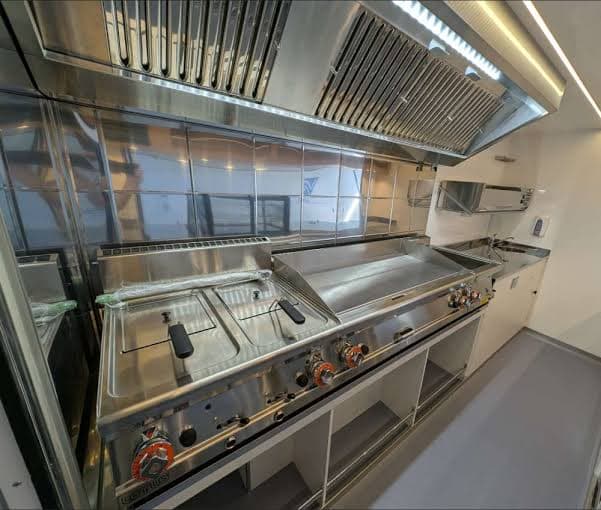
If you're planning to buy a food truck new, invest in customized food trucks, or upgrade an existing food trailer, choosing and installing the right prep table is essential. Professional food truck builders understand that every inch inside a mobile kitchen matters, making proper installation a key part of every successful build.
Why Sandwich Prep Tables Matter
A sandwich prep table combines refrigerated ingredient storage with a durable preparation surface. It allows staff to prepare fresh meals quickly while keeping ingredients at food-safe temperatures.Benefits include:
- Faster food preparation
- Better organization
- Improved workflow
- Health code compliance
- Reduced food waste
- Increased productivity
Choosing the Right Sandwich Prep Table
Not every prep table works inside a mobile kitchen. Space, electrical capacity, refrigeration performance, and menu type all influence the best choice.Consider:
Size
Measure available workspace before purchasing.Small operations may prefer compact units while larger food trucks and trailers often install longer prep stations.
Refrigeration Capacity
Choose equipment capable of maintaining safe temperatures even during hot summer days.
Stainless Steel Construction
Commercial-grade stainless steel provides durability, easy cleaning, and long service life.
Energy Efficiency
Modern refrigeration systems consume less electricity, helping reduce generator load.
NSF Certification
Commercial kitchens should always use NSF-approved equipment for food safety compliance.
Planning the Installation
Professional installation begins long before equipment enters the truck.Experienced food truck builders near me typically complete:
- Interior measurements
- Equipment layout planning
- Electrical calculations
- Refrigeration airflow planning
- Plumbing review
- Health code requirements
Best Location Inside the Truck
The prep table should improve workflow rather than create congestion.Most commercial layouts place the prep station between:
- Refrigerator
- Cooking equipment
- Service window
If you're investing in a new food truck, designing the layout before fabrication ensures maximum efficiency.
Electrical Requirements
Most commercial prep tables require dedicated electrical circuits.Before installation verify:
- Voltage requirements
- Circuit breaker capacity
- Generator output
- Shore power compatibility
Ventilation and Airflow
One of the most common installation mistakes is blocking ventilation.Prep tables require sufficient airflow around condenser units.
Avoid placing equipment directly against walls without proper spacing.
Restricted airflow causes:
- Compressor overheating
- Poor cooling
- Higher electricity consumption
- Equipment failure
Securing the Prep Table
Unlike restaurants, mobile kitchens experience constant movement.Every piece of equipment must remain secure during transportation.
Installation typically includes:
- Heavy-duty floor anchors
- Stainless steel brackets
- Anti-vibration mounts
- Locking hardware
Plumbing Considerations
Some prep tables include integrated sinks or require nearby plumbing connections.
Ensure:
- Proper drainage
- Fresh water access
- Wastewater routing
- Leak protection
Health Code Compliance
Meeting local food truck permits and licenses requirements is essential.Inspectors typically evaluate:
- Equipment spacing
- Food-safe materials
- Refrigeration temperatures
- Cleaning accessibility
- Electrical safety
- Plumbing systems
Working with experienced food truck builders helps avoid costly corrections.
Common Installation Mistakes
Many first-time owners make avoidable errors.Buying Residential Equipment
Residential refrigerators are not designed for commercial mobile kitchens.
Always choose commercial-grade units.
Poor Equipment Placement
Blocking aisles reduces efficiency and creates safety hazards.