What Is a Food Van Business and Why It’s One of the Best Low-Overhead Mobile Food Business Models.
Starting a food van business has become one of the most exciting and accessible ways to enter the food industry. Compared to opening a traditional restaurant, a mobile food business requires significantly lower startup costs, offers more flexibility, and allows entrepreneurs to test different locations and menus. Because of this, thousands of aspiring owners around the world are searching for how to create a successful food va
business planan and launch their first mobile kitchen.
In many countries like the UK and Australia, the term food van is commonly used instead of food truck. In the United States, similar businesses operate using food trailers, custom food trucks, concession trailers, and food service trucks for sale. Regardless of the terminology, the concept remains the same: a mobile kitchen that serves customers wherever demand exists.
From coffee food trucks and taco trucks to ice cream trucks and burger trucks for sale, the opportunities in the mobile food industry continue to grow every year. Events, festivals, corporate catering, and street food markets are creating huge demand for well-designed mobile kitchens.
If you're thinking about launching your own food van business, this guide will walk you through every step — from choosing your concept to purchasing the right food trailer or food truck for sale new and opening your first event successfully.
Step 1 — Choose Your Food Van Concept and Menu
Every successful food van business starts with a strong concept. Your concept determines your menu, branding, target audience, and even the type of vehicle or food trailer you need.
Start by thinking about what kind of food you want to serve and what type of customers you want to attract. Many new owners begin by researching popular food truck ideas that are already successful in their area.
Popular concepts include:
Coffee and breakfast vans
Mexican street food or tacos
Gourmet burger trucks
BBQ and smoked meats
Vegan or healthy street food
Dessert and waffle vans
Ice cream trucks
Your food van menu should be focused and easy to prepare in a small kitchen space. Unlike restaurants, mobile kitchens must operate efficiently with limited food truck equipment and storage.
Many entrepreneurs also choose niche concepts such as food van catering for weddings, late-night festival food, or corporate lunch services. These specialized markets can be extremely profitable if you position your brand correctly.
Step 2 — Research Your Target Market and Competition
Before finalizing your food van business plan, you need to understand your local market.
Look for existing food trucks and trailers operating in your area and analyze:
Their menu and pricing
Their locations and operating hours
Their branding and marketing strategy
Customer reviews and ratings
This research helps you identify gaps in the market. For example, you might notice there are many taco trucks but very few coffee vans or dessert trucks.
You should also research popular food truck events near me, festivals, and markets. These locations often generate the highest revenue for mobile food vendors.
Understanding your local market ensures your food van business launches with a competitive advantage.
Step 3 — Write Your Food Van Business Plan
A strong food van business plan is essential before
investing money into equipment or vehicles.
Your business plan should include:
Business Concept
Explain your menu, target market, and brand identity.
Startup Costs
Include costs for your vehicle, kitchen equipment, permits, marketing, and initial inventory.
Vehicle Investment
Many entrepreneurs decide whether they want to
buy a food truck new, purchase food truck trailers for sale, or invest in a custom food trailer built specifically for their menu.
Revenue Projections
Estimate how many customers you will serve daily and average transaction value.
Marketing Strategy
Explain how you will attract customers through social media, events, and partnerships.
A well-prepared business plan also helps secure loans or investors if needed.
Step 4 — Register Your Business and Choose a Legal Structure
Once your plan is ready, the next step is registering your business legally.
Most food van owners register as one of the following:
Sole proprietorship
Limited liability company (LLC)
Partnership
Registering your business protects your brand and allows you to apply for permits and licenses.
You should also choose a memorable brand name. Many entrepreneurs search for food van names that reflect their cuisine, personality, or location.
Strong branding also helps when designing your food truck logos and vehicle wrap.
Step 5 — Get Your Permits and Licenses
Every mobile food business must obtain proper food truck permits and licenses before operating.
While requirements vary by location, most cities require:
Business license
Health department permit
Food safety certification
Fire safety inspection
Vehicle registration and insurance
Some cities also regulate where food vans can park or operate.
Always research local regulations carefully before launching your food van business.
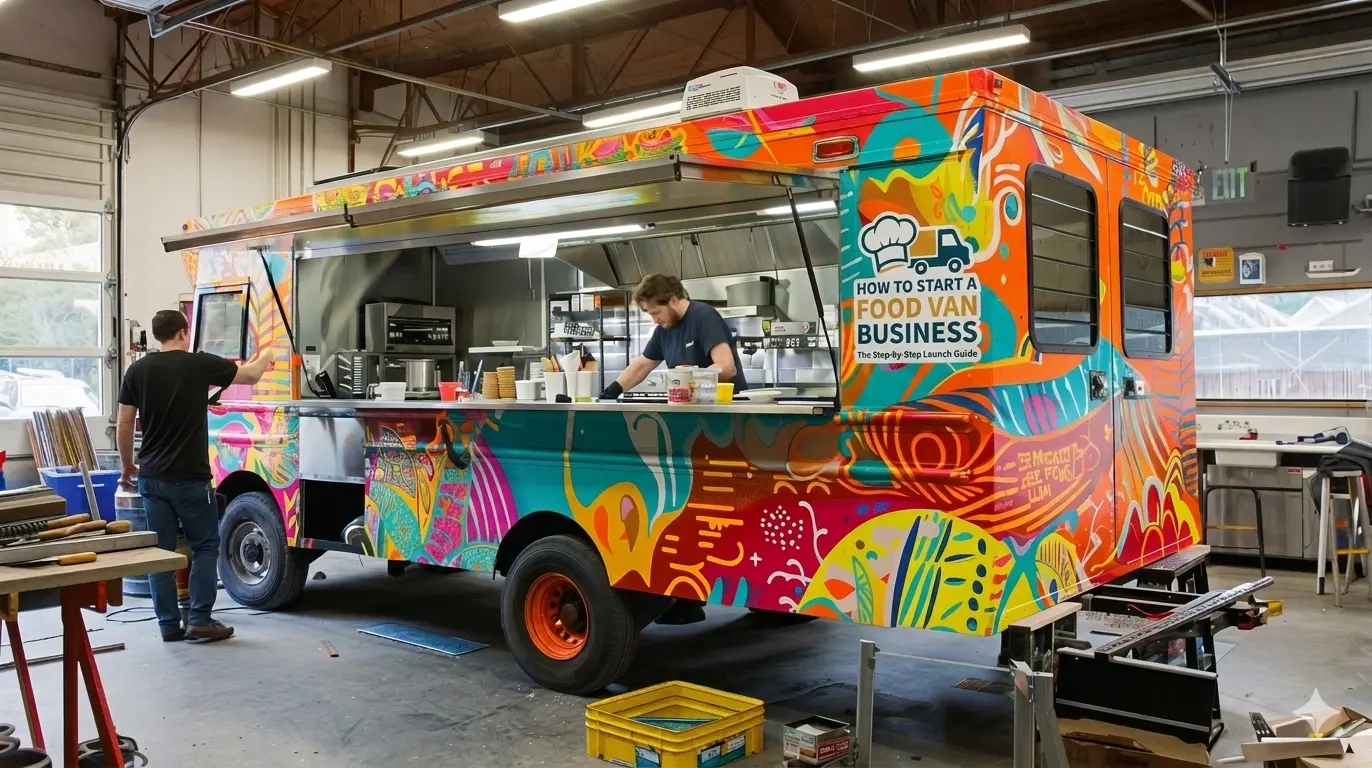
Step 6 — Choose and Customize Your Food Van Build
Your mobile kitchen is the most important investment in your entire business.
Many entrepreneurs spend months researching where to buy a food truck, comparing food truck manufacturers near me, and reviewing food trucks for sale near me.
Common options include:
Custom Food Trucks
Designed specifically for your menu and workflow.
Food Trailers
Often more affordable and easier to customize.
Concession Trailers
Popular for festivals, events, and catering.
Food Service Trucks for Sale
Fully equipped vehicles ready to operate immediately.
Working with experienced food truck builders ensures your kitchen layout, ventilation, electrical system, and plumbing meet health department standards.
Professional custom food truck builders also help design the perfect kitchen using the right food truck equipment, storage systems, and generators.
Step 7 — Source Suppliers and Set Up Your Menu
Reliable suppliers are essential for running a profitable food van business.
Look for vendors that provide:
Fresh ingredients
Packaging and containers
Cooking oils and condiments
Disposable utensils and napkins
Many successful food vans partner with local farms or wholesalers to keep ingredient costs low.
Your menu should balance quality and efficiency. Mobile kitchens operate best with simple menus that allow fast service during busy periods like food truck festivals or corporate events.
Step 8 — Market Your Food Van Before Opening Day
Marketing should begin weeks before your launch.
Social media platforms like Instagram, Facebook, and TikTok are essential for promoting a mobile food brand.
Share content such as:
Your food truck build process
Menu previews
Location announcements
Behind-the-scenes kitchen preparation
Many owners also register on online platforms or food truck finder apps that help customers discover nearby vendors.
Step 9 — Find Your Locations and Book Your First Events
Location plays a major role in the success of your food van business.
High-performing locations include:
Business districts during lunch hours
Breweries and bars in the evening
Weekend farmers markets
Music festivals and sports events
Corporate campuses
Large events like food truck festivals often bring thousands of customers in a single day.
Step 10 — Open, Learn, and Scale
Your opening day is just the beginning.
As you operate your food van business, track your:
Best-selling menu items
Busiest locations
Customer feedback
Operating costs
This data helps you refine your menu, pricing, and schedule.
Successful owners often expand by adding another food trailer, launching catering services, or purchasing additional food trucks for sale to grow their brand.
How Elite Steel Concepts Helps Food Van Entrepreneurs Launch
Launching a mobile food business requires more than just a great recipe. The right vehicle and kitchen layout can determine whether your business runs smoothly or struggles during busy events.
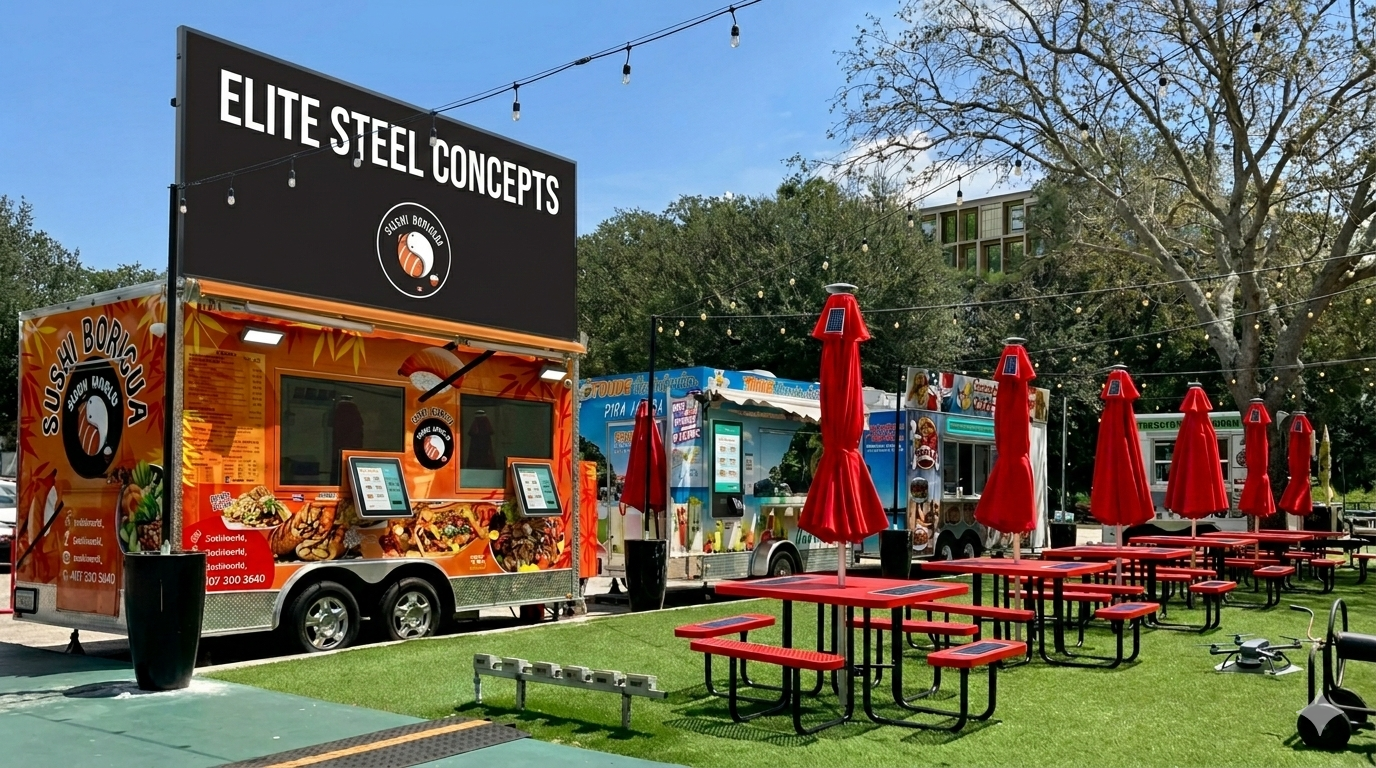
Professional food truck builders like Elite Steel Concepts specialize in designing
custom food trailers, concession trailers, and food service trucks for sale that meet industry regulations and maximize efficiency.
From food truck design and fabrication to installing commercial-grade food truck equipment, experienced manufacturers help entrepreneurs create reliable mobile kitchens built for long-term success.
Whether you want to buy a food truck new, explore food trailers for sale, or build a fully customized kitchen, working with trusted food truck manufacturing companies ensures your investment is built to perform.
Food Van Business FAQ
How much does it cost to start a food van business?
Startup costs vary widely depending on the vehicle and equipment. Many entrepreneurs spend between $40,000 and $120,000 depending on whether they choose a food trailers, a new truck, or a fully custom food trailer.
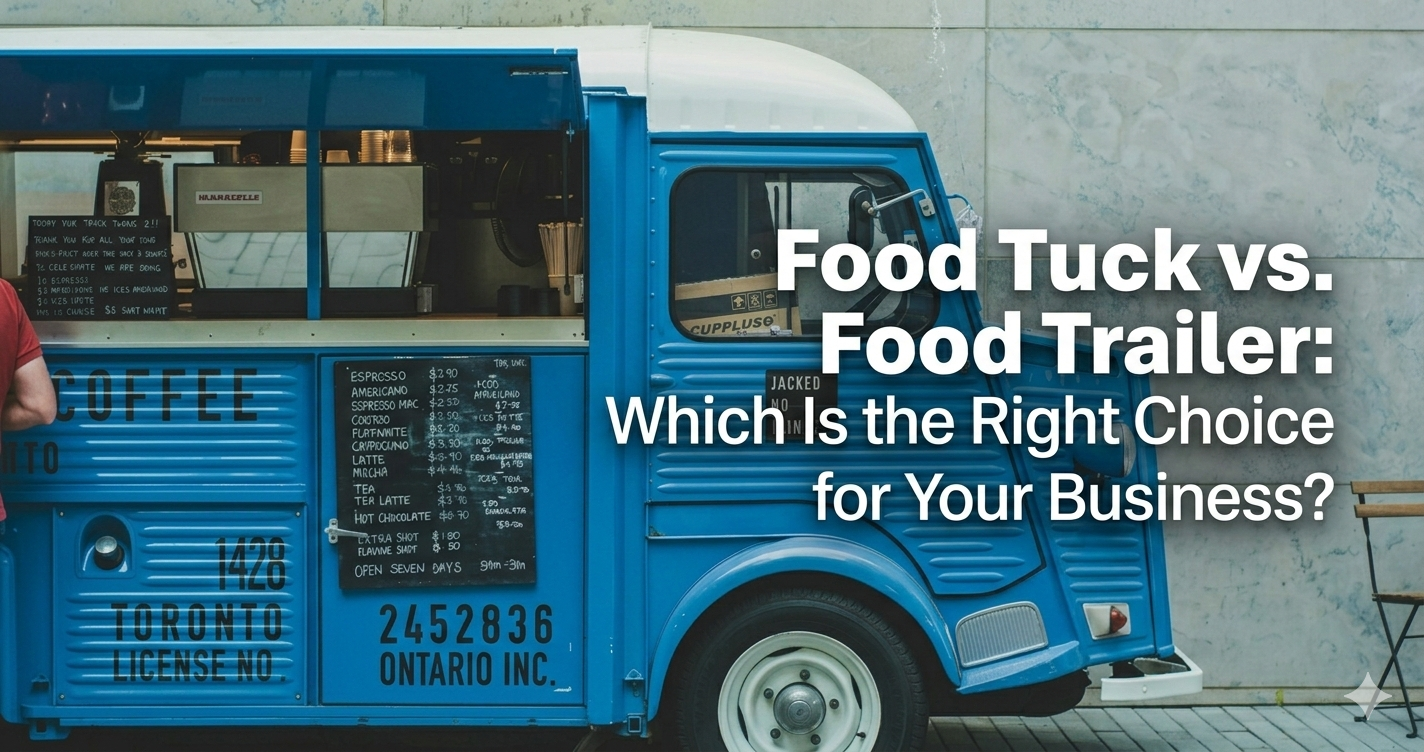
Should I buy a food truck or a food trailer?
Both options have advantages. Food trailers are usually more affordable and spacious, while food trucks provide greater mobility.
Do I need a generator for my food van?
Most mobile kitchens require a reliable food truck generator to power cooking equipment, refrigeration, and lighting.
Conclusion
A food van business is one of the most flexible and rewarding ways to enter the food industry. With the right concept, a solid food van business plan, and a professionally built mobile kitchen, entrepreneurs can launch profitable food brands with far lower overhead than traditional restaurants.
From choosing your menu and securing food truck permits and licenses to investing in the right food trailer or food truck for sale, every step plays an important role in your success.