How to Design a Food Truck Serving Window
A food truck serving window is one of the most important design elements of any mobile kitchen. It's where customers place orders, receive food, and interact with your brand. A poorly designed serving window can slow service, reduce sales, and create workflow problems inside your truck.
Whether you're planning a New Food Truck, purchasing one of the many food trucks and trailers for sale, or working with experienced food truck builders, investing in the right serving window design will improve efficiency and customer satisfaction.
In this guide, we'll explain everything you need to know about designing the perfect serving window—from choosing the right size and placement to ensuring compliance with food truck permits and licenses.
Why the Serving Window Matters
The serving window is more than just an opening in your truck.
It affects:
Customer flow
Kitchen efficiency
Employee comfort
Food safety
Brand appearance
Sales potential
Professional food truck builders know that every inch inside a food trailer must be optimized. The serving window directly impacts how smoothly your business operates during busy lunch hours and large events.
Choose the Right Serving Window Size
There isn't one universal size.
Most Customized Food Trucks use serving windows between:
4–6 feet wide
3–4 feet tall
The ideal dimensions depend on:
Menu
Equipment layout
Number of staff
Expected customer volume
If you're planning a coffee truck, one window may be enough.
A taco or burger truck serving hundreds of customers each day may require multiple service windows.
Experienced food truck manufacturers near me can recommend the best dimensions based on your concept.
Select the Best Window Location
Location is just as important as size.
The serving window should allow employees to move naturally between:
Grill
Fryer
Prep station
POS system
Beverage station
Avoid forcing staff to cross paths constantly.
The shortest path between cooking and serving creates the fastest service.
Many successful food trailers and trucks position the serving window directly beside the assembly station.
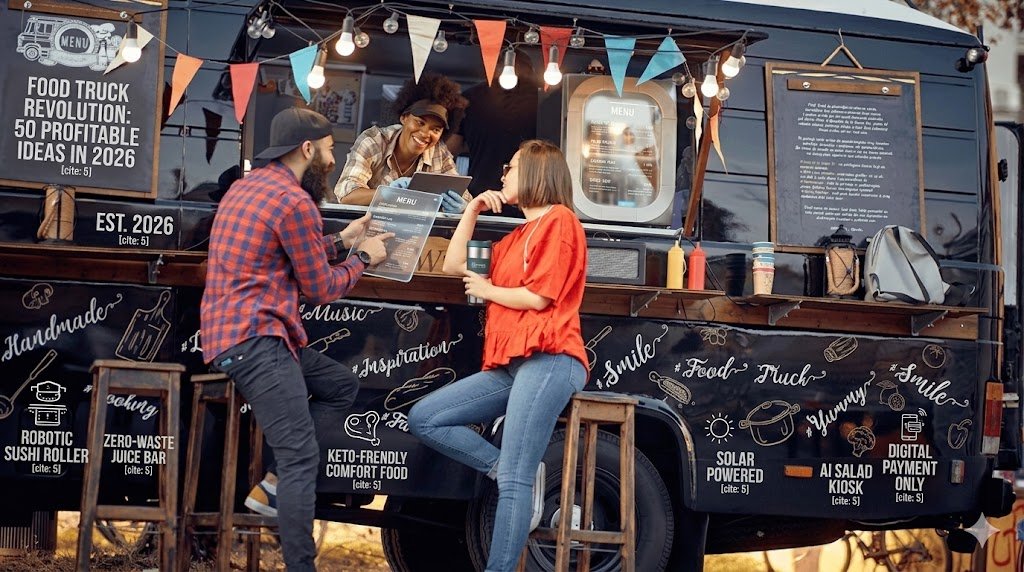
Consider Customer Flow
Think like your customers.
Can people line up comfortably?
Will they block nearby businesses?
Is there enough room for waiting customers?
A well-designed serving window should allow:
Easy ordering
Quick payment
Safe food pickup
Smooth traffic flow
This becomes especially important during festivals, concerts, and sporting events.
Many owners first create a
food truck business plan before deciding where the serving window should be placed.
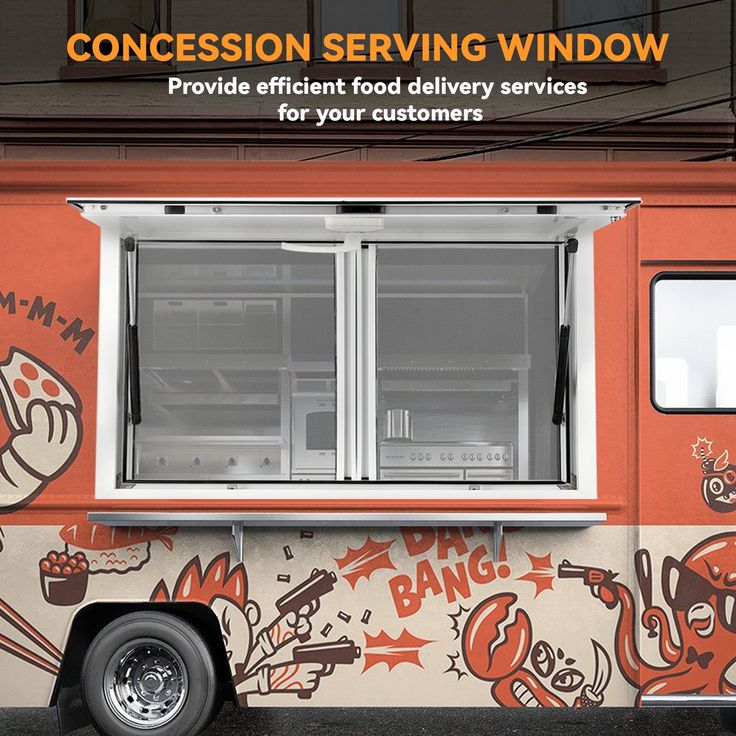
Install an Awning
A serving window should always include an awning.
Benefits include:
Protects customers from rain
Provides shade
Keeps sunlight out of the kitchen
Protects food during service
Most professional food truck builders near me recommend aluminum awnings with gas struts because they're durable and easy to operate.
Choose High-Quality Materials
The serving window experiences constant daily use.
Use materials designed for commercial kitchens:
Stainless steel frames
Tempered safety glass
Heavy-duty hinges
Commercial-grade locks
Quality materials reduce maintenance and increase the lifespan of your food truck design.
Add Sliding Service Windows
Sliding windows offer several advantages:
Faster service
Better ventilation
Easier communication
Improved security
Many food truck manufacturers near me now install horizontal sliding windows instead of traditional lift-up styles.
They're especially popular on
custom food trailers.
Design for Speed
Every second counts during lunch rushes.
The serving area should include:
POS terminal
Receipt printer
Drink station
Condiment shelf
Pickup counte
Everything employees need should remain within arm's reach.
Professional food truck builders design serving windows around workflow rather than appearance alone.
Plan Interior Counter Space
The serving window needs adequate workspace.
Leave room for:
Packaging food
Checking orders
Holding completed meals
Drink preparation
Too little counter space slows production.
This is one reason experienced food truck builder companies carefully plan every inch before construction begins.
Install Proper Lighting
Customers should clearly see:
Menu
Employees
Food pickup area
LED lighting offers:
Lower energy consumption
Better visibility
Longer lifespan
Interior lighting also helps staff work efficiently during evening events.
Think About Ventilation
The serving window affects airflow inside your kitchen.
Proper ventilation:
Reduces heat
Removes smoke
Improves employee comfort
Many builders combine serving windows with commercial exhaust systems and fresh air intakes.
This is especially important if your truck contains heavy-duty food truck equipment.
Meet Health Department Requirements
Every city has different regulations.
Your serving window must comply with local food truck permits and licenses, including requirements for:
Food protection
Handwashing accessibility
Pest prevention
Temperature control
Cleanable surfaces
Working with experienced food truck manufacturing companies helps ensure your truck passes inspections the first time
Add Customer Convenience Features
Modern serving windows often include:
Card readers
QR code ordering
Digital menu boards
Pickup shelves
Tip screens
These features improve customer experience while increasing efficiency.
They're becoming standard on many New Food Truck builds
Weather Protection
If you operate year-round, consider:
Rain guards
Wind barriers
Drain channels
Weather stripping
These features keep employees comfortable and protect your equipment.
Security Features
Your serving window should remain secure after business hours.
Consider:
Locking mechanisms
Reinforced aluminum frames
Security shutters
Impact-resistant glass
These additions protect your investment.
Branding Around the Serving Window
Your serving window naturally attracts attention.
Use this area for:
Logo placement
Menu graphics
Brand colors
Social media QR codes
Promotional signage
A professional food truck design creates an attractive focal point that encourages walk-up customers.
Accessibility Matters
Customers of all abilities should be able to order comfortably.
Design considerations include:
Appropriate counter height
Clear communication
Easy payment access
Comfortable ordering space
Accessibility improves customer satisfaction while helping meet local regulations.
Future-Proof Your Design
As your menu grows, your needs may change.
Leave room for future additions like:
Extra POS systems
Beverage dispensers
Digital ordering screens
Additional pickup
Experienced food truck builders design with expansion in mind.
Work With Experienced Food Truck Builders
Designing the perfect serving window requires expertise.
Professional food truck builders near me understand:
Kitchen workflow
Structural integrity
Ventilation
Health code compliance
Equipment integration
Whether you're looking to Buy Food Trailers, searching Where to buy a food truck, or investing in a food truck for sale new, choosing an experienced builder can save time and money.
Conclusion
A food truck serving window is much more than an opening for customers—it's the heart of your mobile kitchen. From workflow and speed to safety and customer experience, every design decision impacts your daily operations.
Whether you're purchasing one of the many food trucks and trailers for sale, planning a food truck business, or working with
professional food truck manufacturing companies, investing in a well-designed serving window will help increase efficiency, improve customer satisfaction, and support long-term success.
Partnering with experienced food truck builders ensures your serving window is functional, durable, and fully compliant with local regulations, giving your business the best possible start.
Frequently Asked Questions (FAQ)
What is the ideal size for a food truck serving window?
Most serving windows are between 4 and 6 feet wide, but the ideal size depends on your menu, equipment, and expected customer volume.
Should my food truck have more than one serving window?
High-volume operations such as taco, burger, or festival trucks often benefit from multiple serving windows to reduce wait times.
Do serving windows need to meet health department regulations?
Yes. Your serving window must comply with local food truck permits and licenses, including sanitation, food protection, and accessibility requirements.
What material is best for a food truck serving window?
Commercial stainless steel frames with tempered safety glass offer excellent durability, hygiene, and weather resistance.
Can I customize my serving window?
Absolutely. Professional custom food truck builders can design serving windows with awnings, sliding panels, digital menu boards, lighting, and custom branding.