Custom food truck size and kitchen layout designed for a food truck menu
Back to Intelligence
Business
9 Min Read

How to Choose the Right Food Truck Size for Your Menu

Why Food Truck Size Matters

Published: Sep 11, 2026

Executive Summary

Learn how to choose the right food truck size for your menu, equipment, staff, storage, workflow, and future food business growth.

Choosing the right food truck size is one of the most important decisions when starting a mobile food business. Your truck needs enough space for cooking, refrigeration, food preparation, storage, equipment, and staff movement without becoming unnecessarily large or expensive. Whether you are planning to buy a food truck new, looking at food trailers and trucks for sale, or working with a food truck builder on a customized design, your menu should influence the size and layout of your mobile kitchen.

Why Food Truck Size Matters

The size of your food truck affects almost every part of your operation. A compact truck can be easier to drive and may cost less, while a larger unit provides more room for equipment, ingredients, employees, and customers' orders. Before you start searching for food trucks for sale near me or comparing food truck manufacturers near me, consider what your menu actually requires. For example, a simple coffee operation may need less cooking and storage space than a business serving burgers, tacos, or a large barbeque menu. Your goal should be to choose a size that supports your menu efficiently without paying for unused space.

Match Your Truck Size to Your Menu

The first step is to analyze your menu. Make a list of every item you plan to serve and identify the equipment required to prepare each one.

A menu focused on beverages may need equipment such as:

  • Espresso machines
  • Coffee grinders
  • Refrigeration
  • Ice storage
  • Sinks
  • Counter space
  • A larger cooking menu may require:

  • Griddles
  • Fryers
  • Ovens
  • Refrigerators
  • Freezers
  • Prep tables
  • Exhaust systems
  • Additional storage
  • For example, a coffee food truck near me may have a very different layout from a taco or burger operation. Similarly, businesses offering food truck burgers, barbeque, or other popular food truck foods may require significantly more cooking and preparation space.

    Small Food Trucks: When Are They a Good Choice?

    Smaller trucks can work well for businesses with a focused menu and limited staff. They are often easier to maneuver and can be useful for businesses operating in busy urban areas or at smaller events. If your concept has only a few core menu items, a smaller unit may provide everything you need. You can also consider small food trailers for sale if you do not need a self-powered vehicle. A trailer can provide useful kitchen space while allowing you to choose a separate towing vehicle. However, don't choose a small unit simply because it appears cheaper. If your equipment cannot fit comfortably, your employees may struggle to work efficiently.

    Medium Food Trucks for Growing Menus

    A medium-sized truck is often a practical choice for businesses that need more equipment and storage but do not require an extremely large kitchen.

    This size can work well for concepts such as:

  • Burgers
  • Tacos
  • Breakfast
  • Sandwiches
  • Coffee and snacks
  • Multi-item lunch menus
  • If you are developing food truck menu ideas, consider how many orders you expect during your busiest periods. Your kitchen needs to handle peak demand, not just normal operating conditions. A well-designed medium truck can give you enough room for preparation, cooking, refrigeration, storage, and service while maintaining a workable employee flow.

    Large Food Trucks for High-Volume Menus

    Larger food trucks are useful when your menu requires multiple cooking stations or when you expect several employees to work simultaneously. For example, a business serving tacos, burgers, sides, desserts, and beverages may require separate preparation and cooking areas. Larger units can also provide additional storage, which is valuable during long events or busy service periods. If your business model involves festivals, catering, or large corporate events, additional kitchen capacity can help you serve customers more efficiently. However, larger trucks can increase construction, equipment, maintenance, and operating costs. Your food truck business plan should account for these expenses before you decide on the final size.

    Don't Forget Food Truck Equipment

    Your food truck equipment is one of the biggest factors determining your required space. Start by creating an equipment list based on your menu. Then work with a professional food truck builder to determine where each piece can be installed.

    Think about:

  • Cooking equipment
  • Refrigeration
  • Food preparation
  • Dry storage
  • Cleaning and handwashing
  • Ventilation
  • Electrical requirements
  • Plumbing
  • Employee movement
  • Service windows
  • Equipment should not simply fit inside the truck—it should be positioned so employees can work safely and efficiently.

    Food Truck Layout Is Just as Important as Size

    Two trucks with similar dimensions can feel completely different depending on their food truck design. A professional layout should minimize unnecessary movement between preparation, cooking, storage, and serving areas. For example, ingredients used frequently should be stored close to the preparation area. Cooking equipment should be positioned logically, while refrigerators and freezers should remain accessible without interfering with other employees. This is where custom food trailers and Custamized Food Trucks can provide an advantage. Instead of adapting your menu to an existing layout, you can design the mobile kitchen around your actual operation.
    Truck or Trailer: Which Should You Choose?

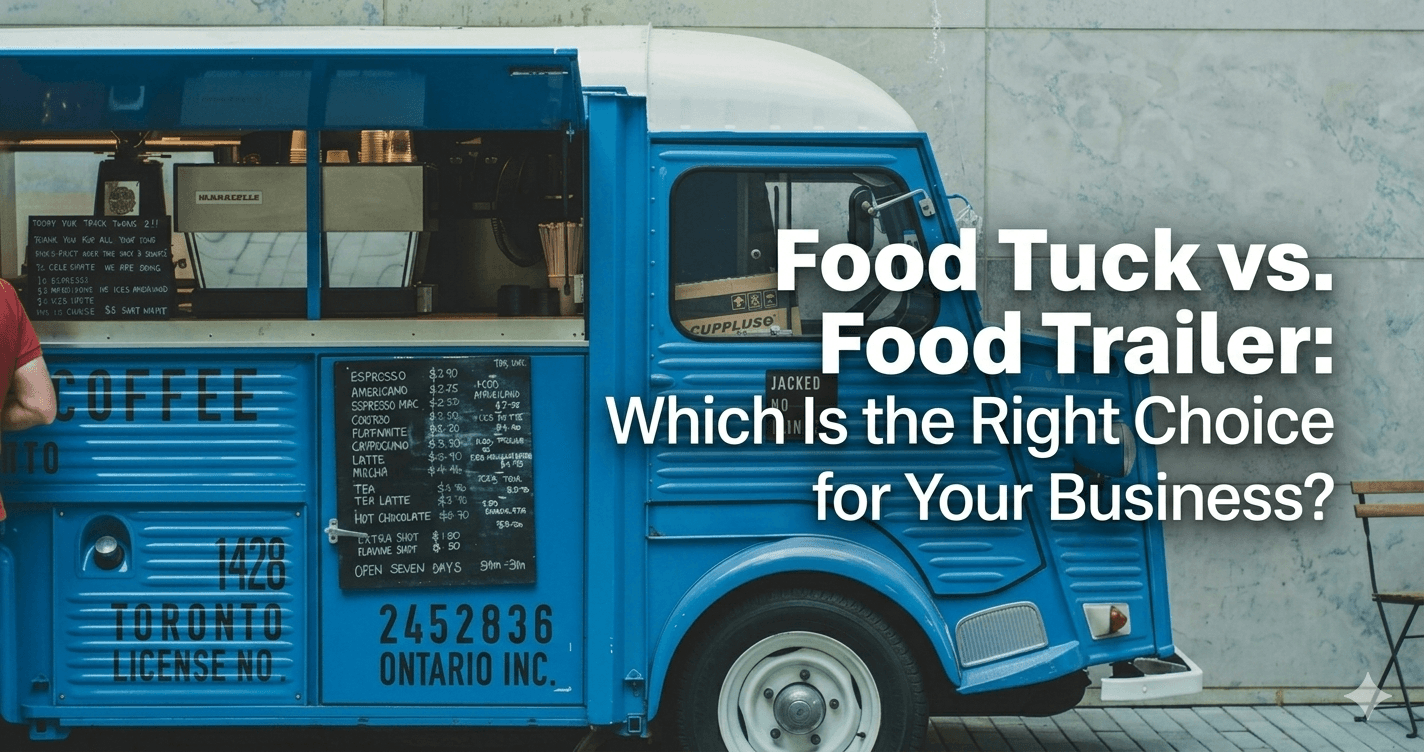
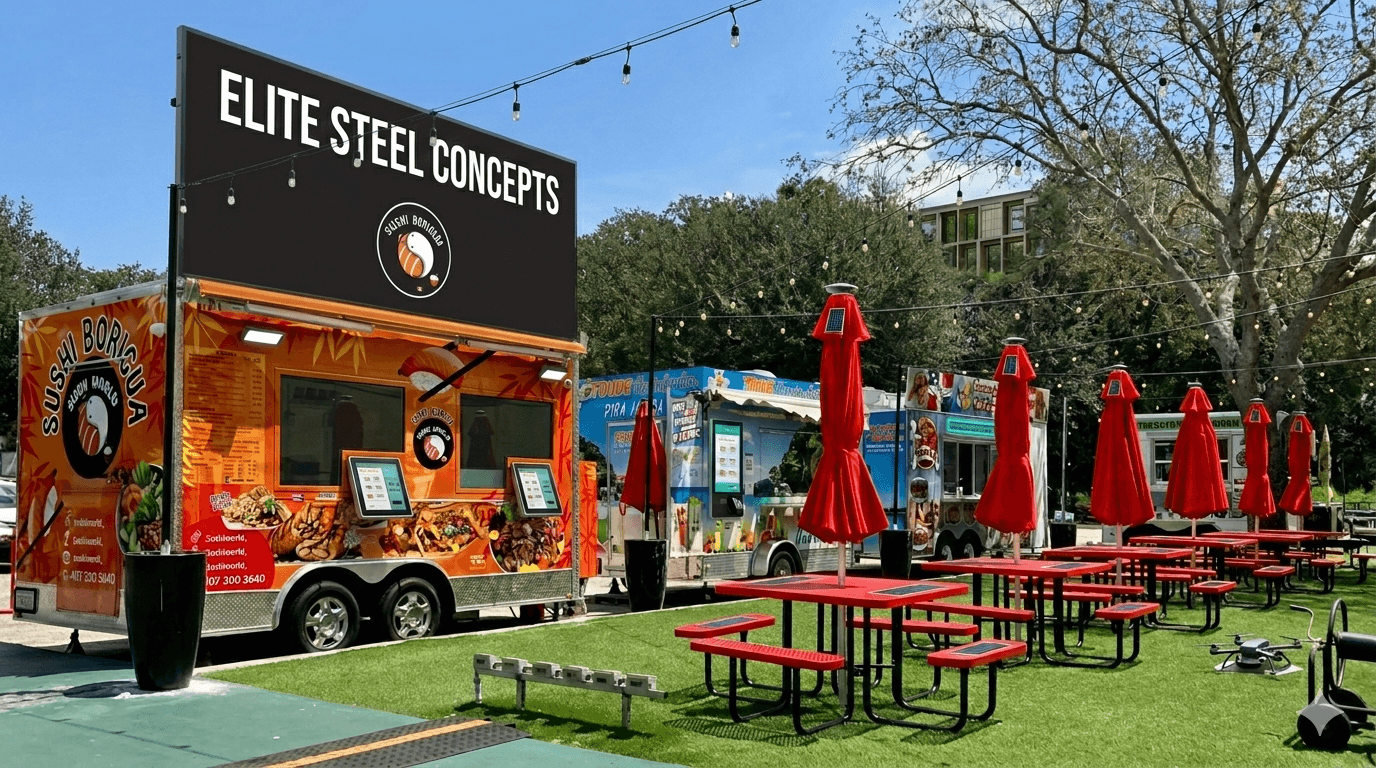
    Your business model may determine whether you need a truck or trailer. Food trailers and trucks both provide mobile kitchen solutions, but they have different practical considerations. A food truck combines the kitchen and driving vehicle into one unit. A trailer requires a suitable towing vehicle but can provide considerable kitchen space. If you are searching for food trailer options, Buy Food Trailers searches, or food truck trailers for sale, compare dimensions, equipment capacity, towing requirements, and customization options. For businesses that need maximum kitchen space, a trailer may be worth considering. For businesses that frequently move between locations, a self-contained truck may be more convenient.

    Consider Future Growth

    Don't design your kitchen only for today's menu. Your business may eventually add new menu items, additional staff, catering services, or larger events. Leaving some room for future needs can prevent expensive modifications later. If you are planning to buy a food truck new, discuss your long-term goals with your builder before finalizing the layout. A good food truck builder can help you balance available space, equipment requirements, workflow, regulations, and future expansion. You should also research food truck permits and licenses before construction begins because local requirements can influence your kitchen layout and equipment specifications.

    Work With the Right Food Truck Builder

    Choosing the right size becomes much easier when you work with an experienced builder. Professional food truck builders can review your menu and recommend a practical kitchen configuration. When searching for food truck builders near me or food truck manufacturers near me, look for companies with experience building kitchens similar to your concept. Ask about customization, equipment installation, plumbing, electrical systems, ventilation, storage, and health-code requirements. The best approach is to finalize your menu and equipment list first, then develop the truck around those requirements.

    Final Thoughts

    The right food truck size is not necessarily the biggest or smallest option. It is the size that gives your menu enough room to operate efficiently while keeping your investment practical. Before you purchase a food truck, evaluate your menu, equipment, staff requirements, storage needs, expected sales volume, and future growth plans. Whether you choose a compact truck, a larger mobile kitchen, or one of the food trailers and trucks available for customization, proper planning can make daily operations much easier. A professional builder can help turn your menu into an efficient mobile kitchen that supports your food truck business from the beginning and gives you room to grow. custom food truck builder

    Elite Steel Concepts

    Precision builds. 100% Code Compliant.

    Serving the DMV & Nationwide

    Start Your Build

    Ready to Execute?

    14+ years · 350+ builds · Manassas, VA

    How to Choose the Right Food Truck Size for Your Menu | Elite Steel Concepts