Introduction
Building a custom food truck is a major investment, but the total cost can vary significantly depending on the truck size, kitchen layout, equipment, materials, and level of customization. If you are planning a
food truck business, understanding the major expenses before construction can help you create a realistic budget.
A custom build can be designed around your exact menu and business requirements instead of forcing your operation into a pre-existing layout. From the **food truck design to commercial kitchen equipment, plumbing, electrical systems, ventilation, and exterior branding, every component can affect the final price.
What Affects Food Truck Cost?
There is no single price for every custom food truck. The final investment depends on several factors, including the vehicle or trailer, kitchen equipment, fabrication, electrical requirements, plumbing, ventilation, and customization.
A smaller concept with a simple menu may require less equipment than a full-service mobile kitchen with multiple cooking stations. Similarly, a specialized concept may require additional refrigeration, cooking equipment, storage, or electrical capacity.
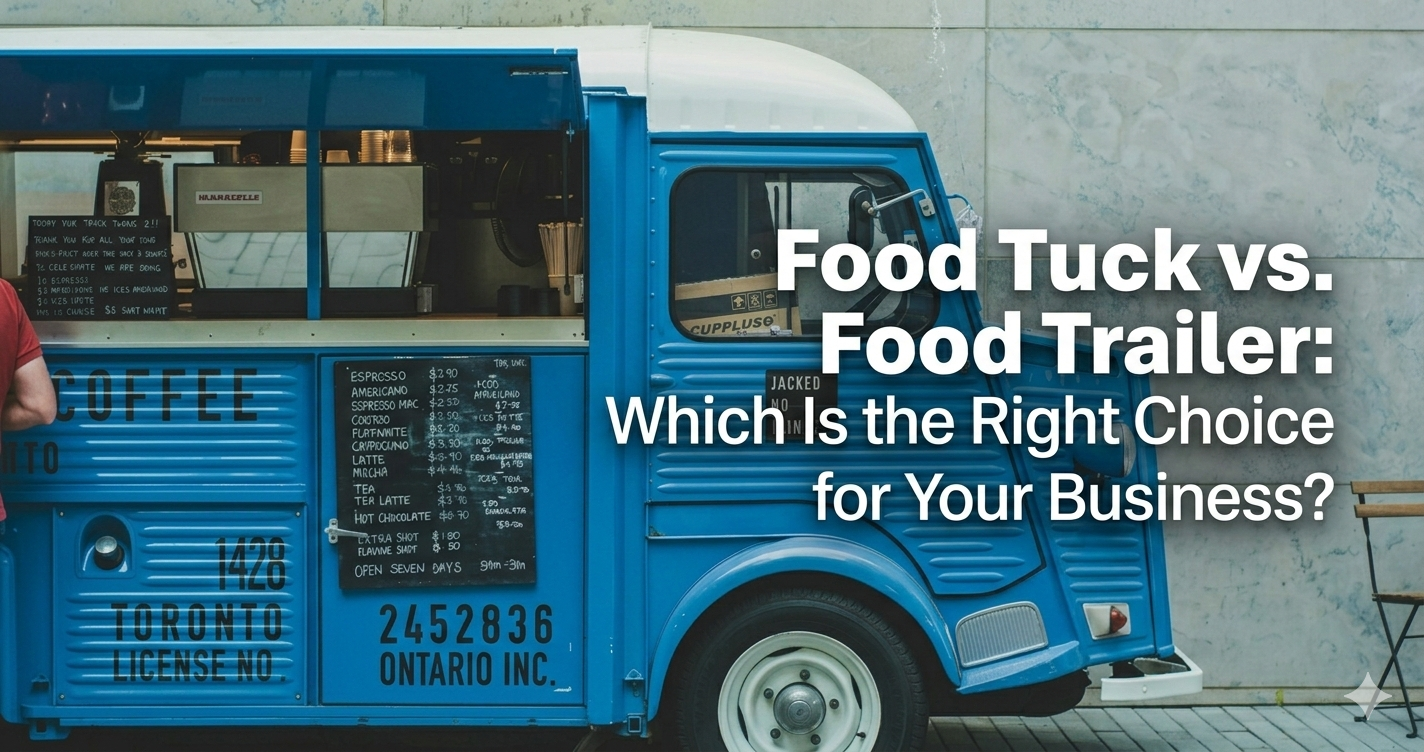
When comparing food trailers and trucks, it is important to consider both your current needs and future business plans.
Vehicle or Trailer Cost
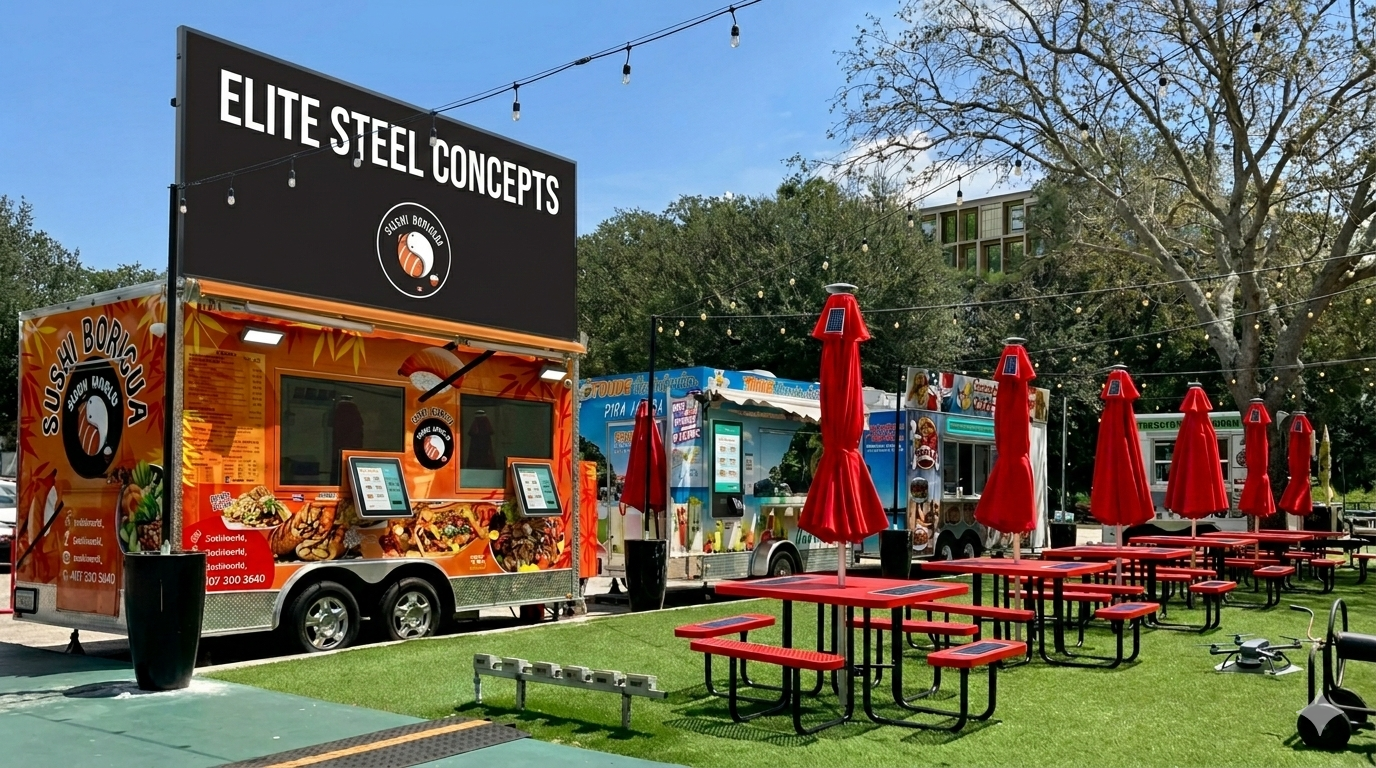
One of the first expenses is the vehicle or trailer itself. Businesses can choose between a truck, step van, trailer, or another suitable platform depending on their operation.
If you are researching where to start, searches such as
buy a food truck new, food truck trailers for sale, or
custom food trailers can help you understand the different options available.
A new platform may provide a cleaner starting point for a custom build, while an existing vehicle may require inspection and additional renovation before fabrication begins. The right choice depends on your budget, menu, expected workload, and long-term plans.
Custom Food Truck Design and Layout
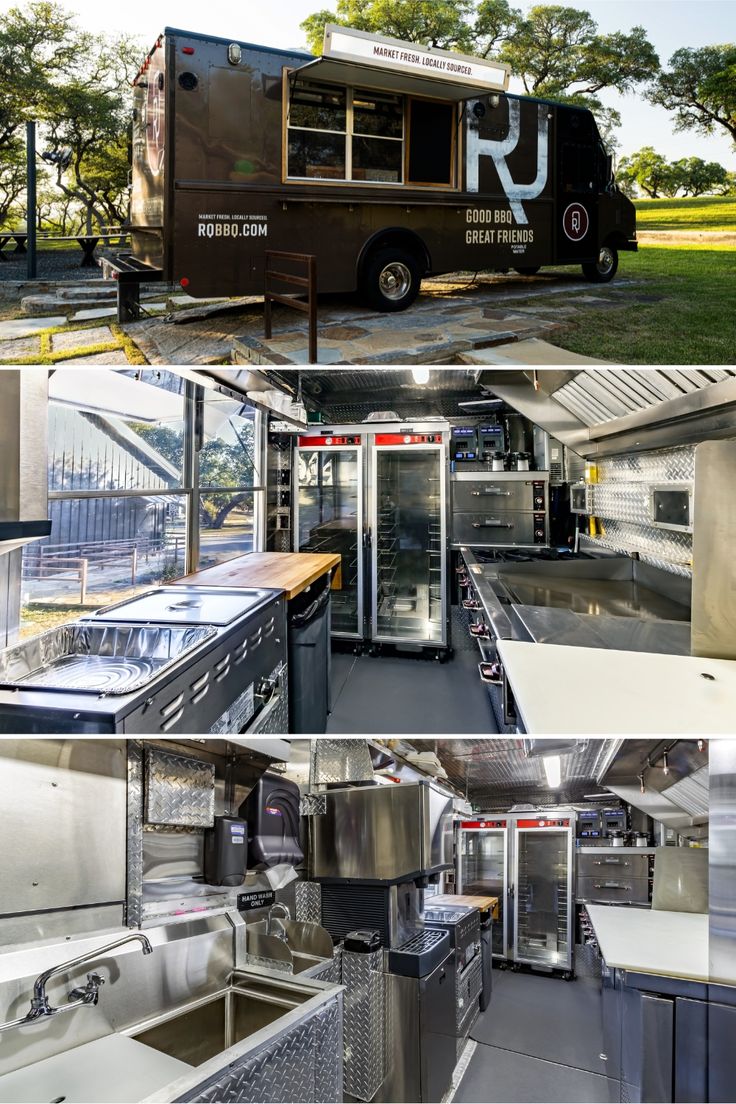
The layout is one of the most important parts of a custom build. A professional food truck builder can help plan the kitchen around your menu, workflow, equipment, storage, service window, and available space.
For example, a burger concept may need grills, fryers, refrigeration, prep counters, and dedicated storage. A coffee concept may require espresso equipment, refrigeration, water systems, and additional counter space.
Working with experienced **custom food truck builders** allows the interior to be planned around how employees actually prepare and serve food.
Food Truck Equipment
Commercial kitchen equipment can represent a significant portion of the overall investment. Common equipment includes:
Refrigerators and freezers
Griddles and grills
Fryers
Ovens
Prep tables
Sinks
Water heaters
Food storage systems
Ventilation systems
Fire-suppression equipment
The amount and type of food truck equipment required depends heavily on the menu. A simple menu may need fewer appliances, while a larger menu can require a more complex mobile kitchen.
Choosing equipment based on your actual menu can help prevent unnecessary costs and make better use of limited interior space.
Electrical, Plumbing, and Generator Systems
A custom food truck needs reliable utility systems to operate safely and efficiently. Electrical planning should account for the combined power requirements of cooking equipment, refrigeration, lighting, ventilation, and other appliances.
Depending on the design, a **food truck generator** may also be required to provide power when shore power is unavailable.
Plumbing is another important consideration. Fresh-water tanks, wastewater tanks, sinks, water heaters, and related components need to be incorporated into the design.
These systems should be planned during fabrication rather than treated as an afterthought.
Permits and Compliance
Another important part of your budget is regulatory compliance. Depending on your location, you may need food truck permits and licenses, health department approvals, inspections, business registration, fire-safety compliance, and other local requirements.
Requirements vary by city and state, so it is important to research the regulations that apply to your operating area before construction begins.
Building a compliant mobile kitchen from the beginning can reduce the risk of expensive modifications later.
Branding and Exterior Customization
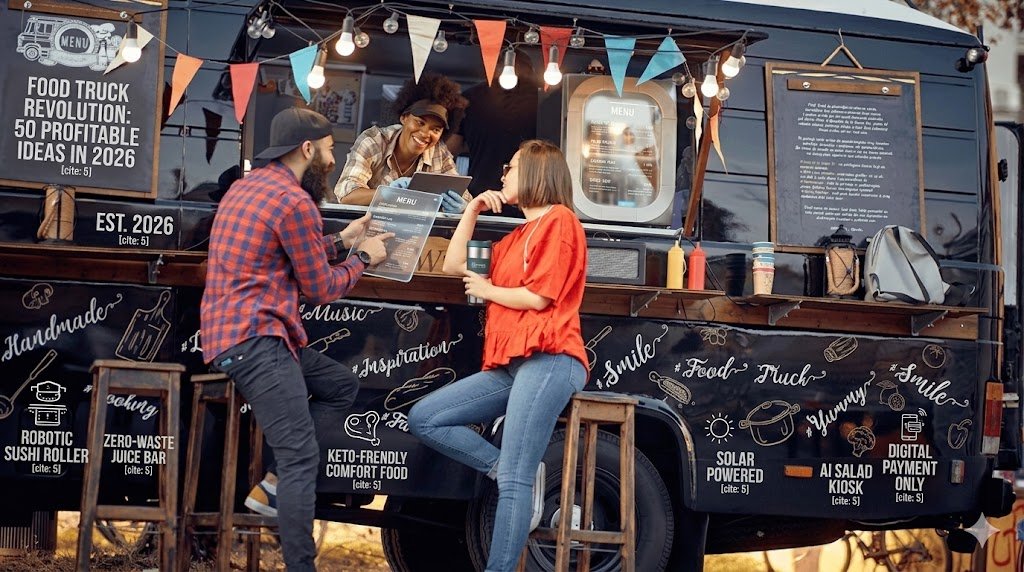
Your food truck is also a mobile marketing tool. Exterior graphics, signage, colors, logos, menu boards, lighting, and other branding elements can be incorporated into the build.
The amount of customization depends on your brand strategy and budget. A simple professional design may be enough for some businesses, while others may want a highly customized exterior.
Interior finishes can also affect the overall cost, particularly when selecting durable commercial-grade materials designed for frequent use.
Custom Food Truck vs. Buying an Existing Truck
Some entrepreneurs compare custom fabrication with buying an existing truck. Searching for food truck sales, food trucks and trailers for sale, or used food trucks can reveal pre-built options.
An existing truck may have a lower initial purchase price, but buyers should carefully inspect its condition, equipment, electrical system, plumbing, ventilation, and compliance status.
A custom build generally provides more control over the layout and equipment. This can be especially useful when your menu requires a specific workflow or specialized kitchen setup.
Plan Your Budget Before Construction
Before contacting food truck manufacturers or builders, create a detailed business plan. Start with your menu, expected service volume, available space, equipment requirements, operating location, and estimated startup budget.
Your food truck business plan should also account for expenses beyond construction, such as insurance, permits, ingredients, staffing, marketing, maintenance, parking, and working capital.
Getting a detailed quote from a professional food truck builder can then help you understand which features are included and where additional costs may apply.
Final Thoughts
The cost of building a custom food truck depends on much more than the vehicle itself. Design, fabrication, kitchen equipment, electrical and plumbing systems, ventilation, permits, finishes, and branding can all contribute to the final investment.
The best way to establish a realistic budget is to define your menu and operating requirements first, then work with experienced custom food truck builders to develop a practical design and detailed estimate.
Whether you are planning a food trailer, mobile kitchen, or full-size food truck, investing in a purpose-built design can help create a workspace that matches your business from day one.