Introduction
Opening a food truck is not complicated — but it is detailed. Miss one step and you could be turned away at your first event, fail your health inspection, or discover on opening day that your generator cannot handle your fryer and coffee machine running simultaneously. A successful
food truck business depends on preparation, planning, permits, equipment, and marketing. ESC has helped hundreds of entrepreneurs launch custom mobile kitchens, food trailers,
concession trailer concepts, and customized food trucks across the U.S. Here is the complete food truck launch checklist every first-time owner should follow before opening day.
12 Months Before Launch — Planning and Concept
1. Choose Your Food Concept
Decide whether you want tacos, burgers, barbecue, breakfast, coffee, desserts, or another niche. Popular food truck ideas usually perform best when the menu stays focused and easy to execute.
2. Research Local Competition
Study taco trucks near me, barbeque food truck operators, mexican food trucks near me, and other local competitors to understand pricing and customer demand.
3. Create Your Food Truck Business Plan
A professional food truck business plan helps with financing, permits, and long-term growth. Include startup costs, projected revenue, staffing, and operational expenses.
4. Decide Between a Truck or Trailer
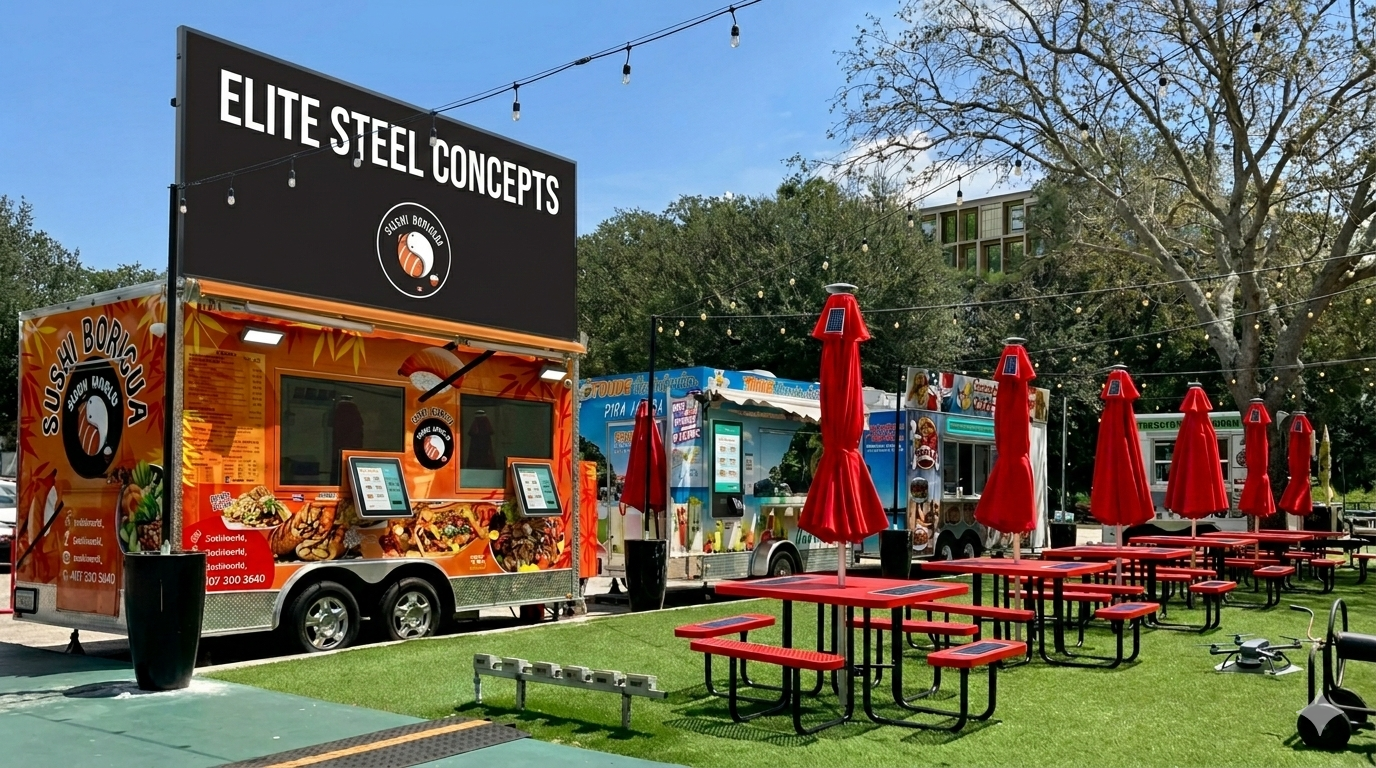
Many owners compare food trailers and trucks before buying. A food trailer may cost less, while a new food truck offers better mobility.
5. Set Your Budget
Account for equipment, wraps, generator systems, permits, insurance, staffing, and marketing.
6. Explore Financing Options
Many first-time owners use food truck financing or finance food truck programs to reduce upfront costs.
6 Months Before Launch — Business and Legal
7. Register Your Business
Create an LLC or corporation for your food truck business.
8. Apply for EIN and Tax Accounts
You will need federal and state tax registration before operating.
9. Research Food Truck Permits and Licenses
Every city has different health department requirements. Food truck permits and licenses should be started early because approval delays are common.
10. Secure Insurance
Get general liability, commercial auto, workers compensation, and equipment coverage.
11. Build Your Brand
Choose food van names, logo concepts, and truck graphics that customers will remember.
12. Purchase Your Domain and Social Media Handles
Your online presence matters before launch day.
13. Find a Commissary Kitchen
Many cities legally require food trucks and trailers to operate from approved commissary kitchens.
4 Months Before Launch — Build and Equipment
14. Choose the Right Builder
Working with experienced food truck builders or custom food truck builders prevents expensive mistakes later.
15. Decide on Truck Size
The best truck for a food truck depends on your menu, staffing, and equipment needs.
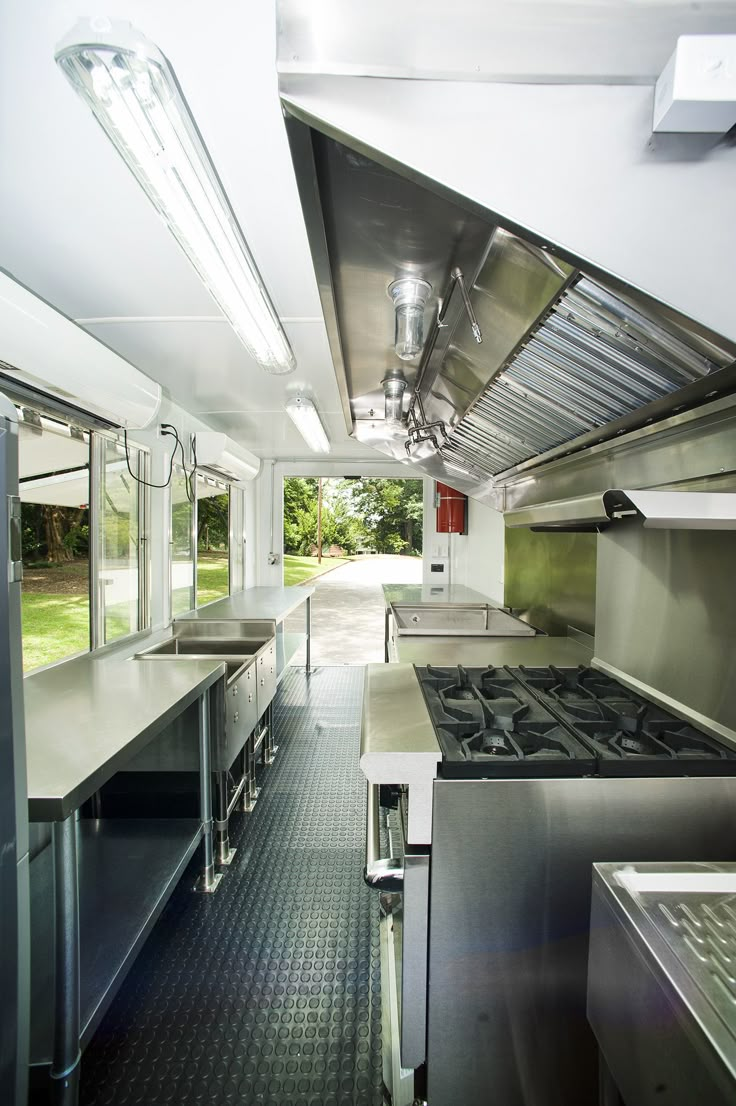
16. Finalize Your Kitchen Layout
Efficient food truck design improves workflow and service speed.
17. Purchase Equipment
Your food truck equipment may include fryers, grills, refrigerators, sinks, prep stations, and warming units.
18. Install a Proper Generator
An undersized food truck generator can shut down operations during service.
19. Test Electrical Load Capacity
Run all equipment simultaneously before launch.
20. Install Fire Suppression Systems
Health and fire inspections require approved systems.
21. Plan Exterior Graphics
Professional wraps improve brand recognition at food truck events and festivals.
22. Verify Water and Plumbing Systems
Hot water systems must meet local codes.
23. Consider Future Expansion
Many operators eventually expand into food trailers, food carts, or concession trailer sales.
2 Months Before Launch — Permits and Inspections
24. Schedule Health Department Inspection
This is one of the most important launch steps.
25. Complete Fire Inspection
Fire marshals verify suppression systems and propane safety.
26. Obtain Parking Approvals
Some cities restrict where food trucks can operate.
27. Secure Event Permits
Popular food truck events near me often require applications months ahead.
28. Apply for Vendor Licenses
Many counties require separate vending permits.
29. Verify Propane Compliance
Improper propane installation can fail inspections immediately.
30. Confirm Waste Disposal Procedures
Health departments inspect grease and wastewater management.
1 Month Before Launch — Operations and Marketing
31. Create Your Menu
Strong food truck menu ideas balance profitability and speed.
32. Set Pricing
Calculate food costs carefully before launch.
33. Hire and Train Staff
Train employees on food safety and customer service.
34. Launch Social Media Marketing
Post construction updates, teaser videos, and menu previews.
35. List Your Business Online
Food truck finder apps and Google listings help customers locate you.
36. Schedule Catering Opportunities
Food truck catering near me searches continue growing rapidly.
37. Plan Wedding and Corporate Services
Food truck catering wedding events can become major revenue sources.
38. Prepare Uniforms and Branding
Professional appearance builds customer trust.
2 Weeks Before Launch — Systems Testing and Staff
39. Run Full-Service Simulations
Test service speed with friends and family.
40. Practice Peak Volume Cooking
Prepare for large crowds at food truck festival events.
41. Check Inventory Systems
Track ingredients, paper goods, and supplies carefully.
42. Test Payment Systems
Verify credit card readers and mobile POS systems.
43. Confirm Supply Deliveries
Late deliveries can delay opening.
44. Finalize Opening Schedule
Coordinate launch announcements and locations.
Launch Week — The Final Checklist
45. Deep Clean the Truck
Your truck should be spotless before inspections and service.
46. Perform Final Equipment Tests
Check refrigerators, fryers, generators, and plumbing again.
47. Announce Your Opening Day
Promote your launch across social media, local groups, and food truck events.
After Launch — What to Monitor in Your First 90 Days
The first three months determine long-term success. Monitor food costs, fuel expenses, labor efficiency, and customer reviews. Many owners quickly learn they need menu adjustments, faster prep systems, or improved layouts. Track your busiest hours and identify which menu items generate the best profit margins.
Pay attention to customer feedback about wait times, food quality, and service consistency. If you plan to scale later into multiple food trucks and trailers, operational systems become even more important. Successful operators constantly improve workflows and marketing after launch.
FAQ — Launch Questions from First-Time Operators
How much does it cost to launch a food truck?
Costs vary widely depending on equipment and vehicle size. A food truck for sale new may cost significantly more than a used food service truck for sale, but newer builds often reduce repair expenses.
Is it better to buy or lease?
Some entrepreneurs lease food truck units initially to reduce startup costs, while others prefer purchasing a customized food truck for long-term ownership.
How long does the permit process take?
Food truck permits and licenses can take several weeks or months depending on your city and inspection schedule.
Should I buy a truck or trailer?
Food trailers and trucks both have advantages. A concession trailer can offer more kitchen space, while trucks provide better mobility for daily operations.
What is the biggest mistake first-time owners make?
Most new operators underestimate prep systems, power requirements, and operational workflow.
Starting your food truck journey? ESC handles the build so you can focus on everything else. 14+ years building launch-ready mobile kitchens. Call (571) 651-0337