Introduction
When planning food trailers and trucks, one of the most important systems to consider is the water system. A properly designed water system helps your mobile kitchen maintain hygiene, support daily food preparation, and meet applicable health department requirements.
Whether you are purchasing a new food truck, comparing food trucks and trailers, or working with a food truck builder on a custom unit, understanding the difference between fresh water and gray water tanks is essential.
Fresh water tanks supply clean water for food preparation, handwashing, cleaning, and other approved uses. Gray water tanks collect wastewater from sinks and other fixtures. Both systems need the correct capacity, plumbing connections, materials, and installation.
What Is a Fresh Water Tank?
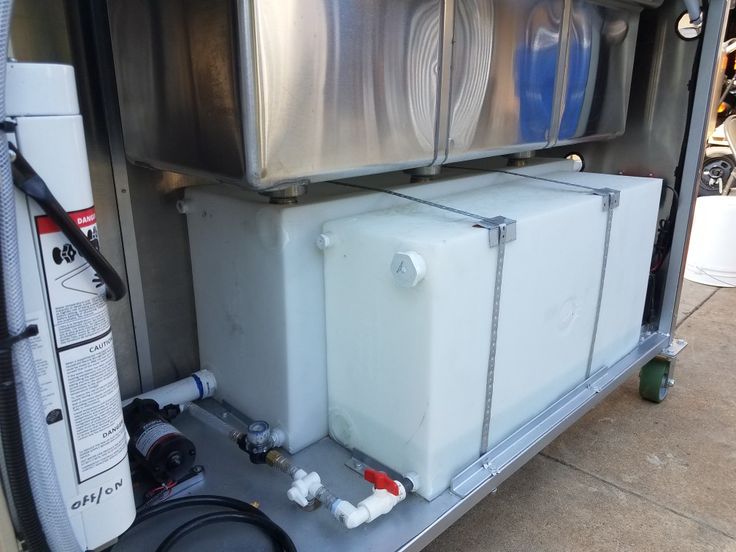
A fresh water tank stores clean water that can be used throughout your mobile kitchen. Depending on the design and local regulations, this water may supply handwashing sinks, three-compartment sinks, food preparation areas, and other approved fixtures.
When purchasing a food trailer or ordering
custom food trailers, ask how the fresh water system is designed. Tank size should be based on your menu, equipment, operating hours, and local health requirements.
For example, a mobile kitchen serving a small menu may have different water requirements than a larger unit with multiple sinks, cooking equipment, and extensive food preparation.
A quality food truck design should place the fresh water tank where it can be safely secured while also allowing convenient access for inspection, maintenance, and filling.
What Is a Gray Water Tank?
A gray water tank collects wastewater produced by sinks and other approved plumbing fixtures. This wastewater should not be confused with fresh or potable water.
When employees wash their hands, clean utensils, or wash equipment, the wastewater flows through the plumbing system into the gray water tank.
The gray water tank needs sufficient capacity so that wastewater does not overflow during normal operations. Its size should be properly matched to the fresh water system and the expected amount of wastewater generated by the business.
If you are comparing food truck trailers for sale, food truck equipment, or concession trailer options, inspect the wastewater system carefully rather than focusing only on cooking equipment and appearance.
Fresh Water vs. Gray Water: The Main Difference
The easiest way to understand the difference is:
Fresh water tank: Stores clean water for approved uses.
Gray water tank: Stores wastewater collected from sinks and plumbing fixtures.
Fresh water system: Supplies water to fixtures.
Gray water system: Carries wastewater away from fixtures.
These systems work together but serve completely different purposes.
A properly designed food trailer and truck should keep the two systems completely separated. Cross-connections or improper plumbing can create sanitation problems and may cause issues during health department inspections.
How Large Should Food Truck Water Tanks Be?
There is no single tank size that works for every mobile kitchen. Requirements can vary depending on the jurisdiction, equipment, menu, operating model, and local health department.
Before purchasing a food truck for sale new or beginning construction, check the regulations that apply to the locations where you plan to operate.
Your water requirements may depend on:
Number of sinks
Handwashing requirements
Cooking equipment
Food preparation activities
Number of employees
Expected customer volume
Operating hours
Local health department requirements
A professional food truck builder can help incorporate the appropriate tank capacity into the overall plumbing layout.
Why Gray Water Capacity Matters
Many new operators focus heavily on the fresh water supply and forget about wastewater capacity.
That can become a problem during a busy service. If the gray water tank fills too quickly, the truck may need to stop operations so the wastewater can be handled properly.
For this reason, the fresh water and gray water systems should be planned together.
When designing custom food trucks, your builder should consider the relationship between water consumption, wastewater production, tank placement, plumbing lines, and available service access.
Where Should the Tanks Be Installed?
Tank placement is an important part of food truck design.
The tanks need to be securely installed and positioned so they do not interfere with food preparation, storage, equipment, or employee movement.
The plumbing layout should also provide access for maintenance and inspection.
A poorly planned tank location can create unnecessary weight distribution problems and make future repairs more difficult. Experienced food truck builders can design the water system around the truck's complete floor plan rather than treating plumbing as an afterthought.
Fresh Water Tank Materials and Hygiene
Fresh water tanks should be made from appropriate materials for their intended use and installed according to applicable requirements.
The tank and connected plumbing should be maintained in a sanitary condition. Operators should also follow their local requirements for cleaning, sanitizing, filling, and maintaining the potable water system.
If you are planning to
buy a food truck new, ask the builder what materials and plumbing components are being used and whether the system is designed around your local health department requirements.
What to Check When Buying a Food Truck
If you are searching for food trucks for sale near me, food truck sales, or considering buy a food truck, do not evaluate a vehicle only by its exterior, kitchen equipment, or price.
Check the complete water system.
Ask:
What is the fresh water tank capacity?
What is the gray water tank capacity?
Where are both tanks located?
Are the sinks and fixtures correctly supplied?
Is there convenient access for maintenance?
Does the system meet applicable local requirements?
Has the plumbing been inspected or approved where required?
Can the system support your planned menu and daily operations?
ns?
If you are unsure, have the system reviewed by a qualified professional before purchasing.
Food Truck Permits and Licenses Matter Too
Water tanks are only one part of operating a compliant mobile food business. Depending on where you operate, you may also need food truck permits and licenses, health department approvals, business registrations, fire approvals, and other permits.
Requirements can vary significantly between cities and counties.
For that reason, operators should research local requirements before finalizing a truck design or purchasing a vehicle.
A knowledgeable food truck builder can help identify design considerations, but the final requirements should always be confirmed with the applicable authorities.
Custom Water Systems for Food Trucks and Trailers
Every mobile kitchen is different. A coffee operation, taco concept, catering truck, or full-service cooking operation may have different plumbing and water requirements.
That is why custom food trucks and custom food trailers can be designed around the operator's menu and workflow.
If you are planning to buy food trailers, build a new mobile kitchen, or compare food trailers and trucks, consider the plumbing system from the beginning—not after the kitchen layout has already been finalized.
The right combination of fresh water capacity, gray water capacity, plumbing fixtures, tank placement, and equipment can make daily operations much easier.
FAQs
1. What is the difference between fresh water and gray water tanks on a food truck?
A fresh water tank stores clean water for approved kitchen uses, while a gray water tank collects wastewater from sinks and other plumbing fixtures.
2. How much fresh water does a food truck need?
Water requirements depend on the menu, equipment, sinks, operating hours, and local regulations. A food truck builder can help plan the appropriate tank capacity.
3. Does a food trailer need a gray water tank?
Most mobile food operations need a properly designed wastewater system. Requirements vary by location, so check local health department regulations before building or buying a food trailer.
4. Can fresh water and gray water tanks be installed together?
Yes. Both can be incorporated into the same food truck design, but they must remain completely separated and properly connected to their respective plumbing systems.
5. What should I check when buying a new food truck?
Check the fresh and gray water tank capacities, plumbing layout, tank placement, fixtures, maintenance access, and applicable food truck permits and licenses.
Final Thoughts
Fresh water and gray water tanks are essential components of a properly designed mobile kitchen. Fresh water provides clean water for approved uses, while the gray water tank safely collects wastewater.
If you are planning to buy a food truck new, looking at food trucks and trailers for sale, or working with food truck manufacturers near me, make the water system part of your evaluation from the start.
A well-designed system should support your menu, workflow, cleaning needs, and applicable health requirements. Working with an experienced food truck builder can help ensure that the plumbing layout is integrated properly into the overall design.
Before purchasing or building your next mobile kitchen, always confirm tank capacities and plumbing requirements with the local health department responsible for your operating area.