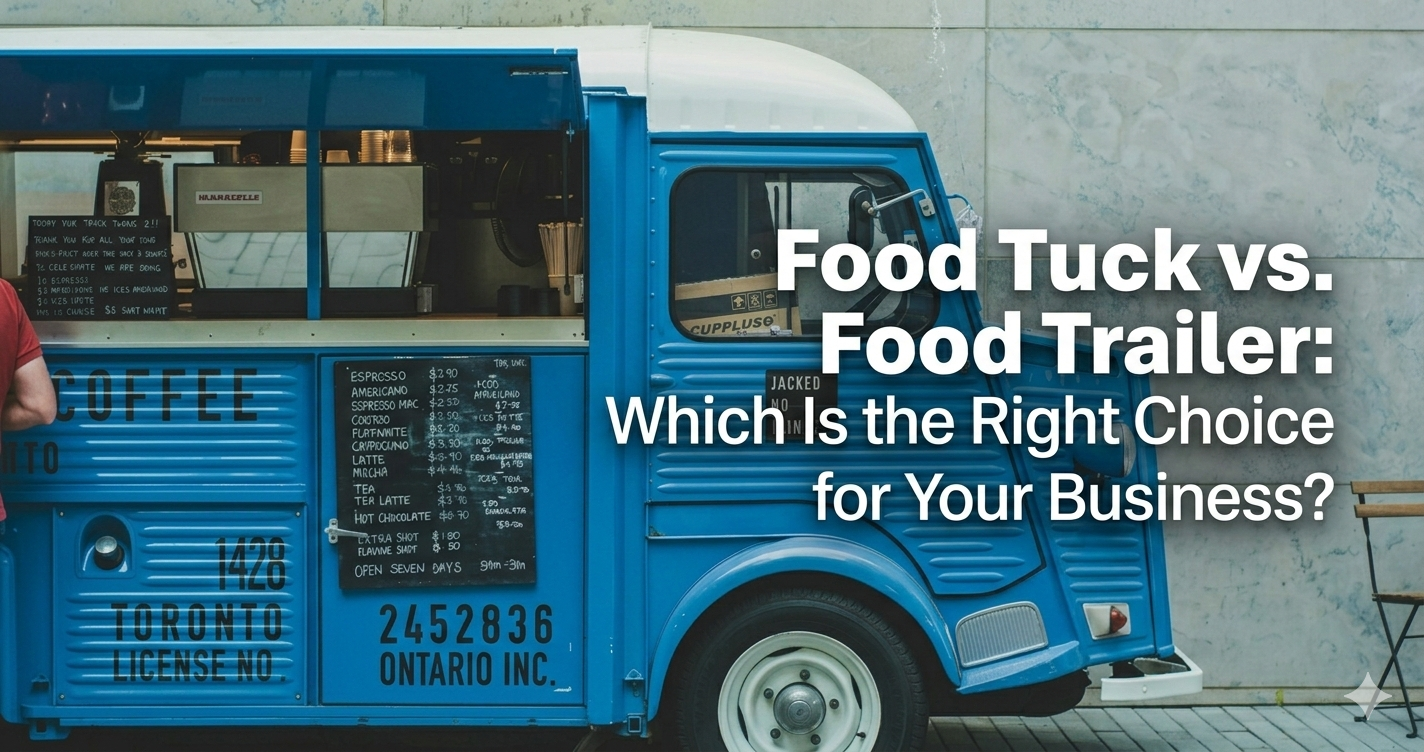
What Is Food Truck Fabrication?
Food truck fabrication is the process of designing and building a fully functional mobile kitchen from the ground up — welding the structural shell, installing commercial-grade equipment, running electrical and plumbing systems, and finishing the build to meet health and fire code standards. It's a very different process from simply buying a used van and retrofitting it: true fabrication means every inch of the kitchen is engineered around your menu, workflow, and compliance requirements from day one.
At
Elite Steel Concepts, we've completed 350+ custom builds across 48 states over 14+ years, so we get asked the pricing question constantly. Here's a real breakdown of what goes into food truck fabrication cost in 2026.
Average Food Truck Fabrication Cost in 2026
Pricing depends heavily on size, equipment load, and level of customization, but most custom builds fall into these ranges:
| Truck Size | Kitchen Length | Typical Cost Range |
|---|---|---|
| Small | 10–11 ft | Entry-level builds, lower equipment count |
| Medium | 14–16 ft | Most popular size — full-service menus |
| Large | 17–18 ft | Larger menus, more prep and storage |
| X-Large | 20–22 ft | High-volume event and festival operations |
A
concession trailer typically comes in below a comparably-equipped
food truck, since you're not paying for a drivable chassis. If you're still deciding between the two platforms, our guide on
food trucks vs. food trailers breaks down the cost and operational trade-offs.
What Actually Drives the Price
1. Chassis or Trailer Platform
Whether you're converting an existing step van or starting with a new trailer shell, the base platform is one of the largest line items in your budget.
2. Kitchen Equipment
Griddles, fryers, wok ranges, refrigeration, and ventilation systems vary widely in cost depending on brand, capacity, and whether equipment is new or reconditioned.
3. Structural Fabrication
This includes framing, insulation, wall and floor finishing (like NSF-compliant flooring), and precision TIG/MIG welding — the core craftsmanship that determines how the truck holds up over years of daily use.
4. Electrical & Plumbing Systems
Generators, power distribution, fresh and gray water tanks, and 3-compartment sinks all need to be engineered to code, not bolted on as an afterthought.
5. Design & Customization Level
A build with a heavily customized floor plan, branded finishes, or specialty equipment will cost more than a standardized layout. Our
design and consultation process helps map your menu to the right level of customization for your budget.
> "As someone new to the
food truck business, I needed guidance on everything — from food truck design to understanding food truck permits and licenses. Esteel Concepts made the entire journey simple and stress-free."
> — Emily W, First-Time Entrepreneur
Don't Forget Permits & Compliance Costs
Fabrication cost is only part of your total investment. Health department permits, fire code inspections, and business licensing all add to your startup budget — and skipping this planning step is one of the most common reasons new operators get shut down before they open. Every build we produce is engineered to meet or exceed local health and fire safety codes, and we cover this in depth in our
complete guide to food truck permits and licenses. You can also see how we approach code compliance on every build on our
compliance page.
New Build vs. Used Truck Conversion
A common way operators try to reduce fabrication cost is by converting a used van or trailer instead of starting from scratch. This can lower your upfront investment, but it comes with trade-offs:
**Pros:** Lower base platform cost, faster in some cases
**Cons:** Structural condition is unknown, may require additional reinforcement, layout flexibility is limited by the existing shell
We can convert your existing step van or trailer as long as it meets our minimum safety and structural requirements for a commercial kitchen installation — our team will walk you through whether conversion or new fabrication makes more financial sense for your project.
How Long Does Fabrication Take?
A typical ground-up build takes 8 to 12 weeks, depending on design complexity and equipment lead times. Rushing fabrication to save time often costs more later in rework or failed inspections, so we prioritize quality fabrication built to last from the start.
Getting an Accurate Quote
Because so many variables affect fabrication cost — platform, size, equipment, and customization — the most accurate way to budget is a direct consultation. Our process starts with a quote request, followed by a deep-dive call into your menu, workflow, and budget so you get real numbers instead of a generic estimate.
Final Thoughts
Food truck fabrication cost in 2026 comes down to five core factors: platform, equipment, structural fabrication, systems, and customization level. Understanding these before you start shopping puts you in a much stronger position to compare builders and avoid surprise costs mid-project.
Ready to get real numbers for your build?
Request a free quote and our team will help you plan a budget that matches your concept.