Introduction
Planning the electrical system is one of the most important parts of building a reliable mobile kitchen. Before buying equipment or choosing a generator, you need to understand your food truck electrical load and how much power your kitchen will actually require.
A food truck may use electricity for refrigeration, cooking equipment, ventilation, lighting, water pumps, POS systems, and other appliances. If the electrical system is undersized, equipment may not operate properly or the system may become overloaded.
This guide explains how to calculate your electrical load and plan a practical power system for your mobile kitchen.
What Is a Food Truck Electrical Load?
Your food truck electrical load is the total amount of electrical power required by all the equipment and appliances operating in your truck at the same time.
Electrical load is commonly measured in watts (W) or kilowatts (kW).
For example, if your kitchen uses:
Refrigerator: 1,000 watts
Freezer: 800 watts
Exhaust hood: 1,200 watts
Food warmer: 1,000 watts
Lighting: 300 watts
POS system: 200 watts
The combined load would be 4,500 watts if all equipment were operating simultaneously.
However, not every appliance necessarily runs continuously, so your actual operating load can be different from the maximum connected load.
Why Electrical Load Calculation Matters
A proper calculation helps you choose the right electrical components for your food truck equipment.
An undersized system may cause circuit breakers to trip, equipment to shut down, or other electrical problems. An oversized system, on the other hand, may add unnecessary cost and take up valuable space.
Electrical planning should be considered during the food truck design stage rather than after the kitchen has already been built.
This allows the builder to plan wiring, outlets, panels, generator capacity, and equipment placement together.
Step 1: Make a List of Your Equipment
Start by creating a complete list of electrical appliances you expect to use.
Depending on your concept, this could include:
Refrigerators
Freezers
Griddles
Induction cooktops
Fryers
Ovens
Microwaves
Food warmers
Blenders
Ice machines
Exhaust systems
Water pumps
Interior and exterior lighting
POS systems
Small countertop appliances
Your menu should influence this list. A coffee concept, burger operation, taco truck, and catering truck can all have very different power requirements.
If you are working with a food truck builder, provide your equipment list early so the electrical system can be designed around your actual needs.
Step 2: Find the Wattage of Each Appliance
Check the manufacturer's specification label or documentation for each appliance. Look for watts, amps, volts, or kilowatts.
If an appliance provides voltage and amperage but not wattage, a basic calculation is:
**Watts = Volts × Amps**
For example, an appliance operating at 120 volts and drawing 10 amps would require approximately 1,200 watts.
For equipment with more complicated electrical requirements, consult a qualified electrician rather than relying on a simple estimate.
Step 3: Add Your Electrical Loads
Once you have the wattage for every appliance, add the values together.
For example:
| Equipment | Approx. Wattage |
| ------------ | --------------: |
| Refrigerator | 1,000 W |
| Freezer | 800 W |
| Exhaust Fan | 1,200 W |
| Food Warmer | 1,000 W |
| Lighting | 300 W |
| POS System | 200 W |
| Water Pump | 150 W |
| Total | **4,650 W** |
This gives you the connected load for the listed equipment.
Your actual system design may need to account for starting loads, duty cycles, continuous loads, and local electrical requirements.
Don't Forget Starting or Surge Loads
Some equipment can require more power when starting than when running.
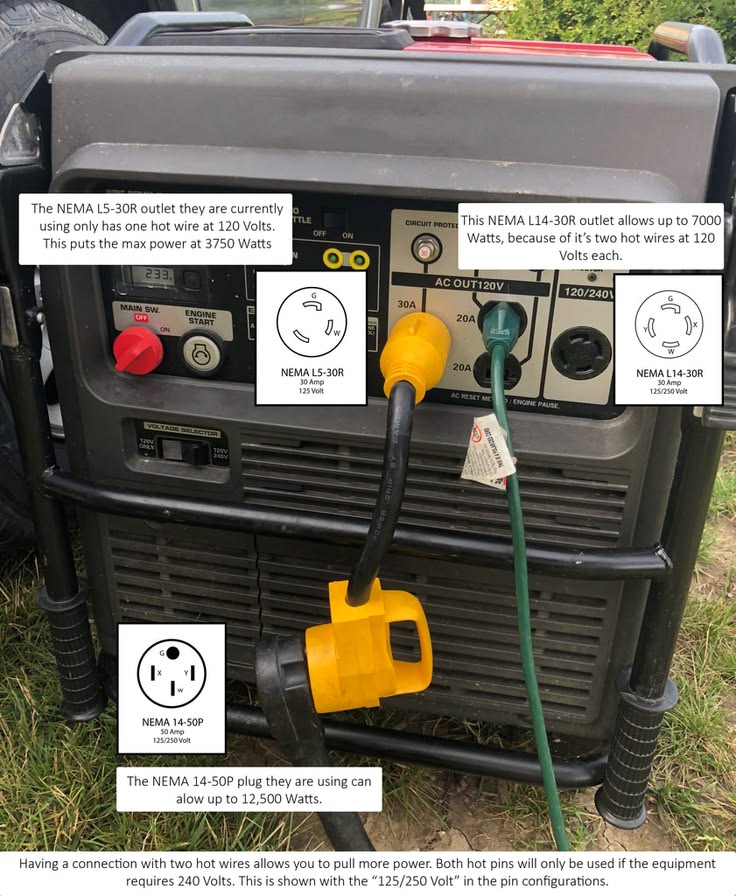
Refrigerators, freezers, compressors, and certain motors may have a temporary startup demand. This is especially important when selecting a food truck generator.
For example, a generator that appears large enough based only on running wattage may struggle if several motor-driven appliances start at the same time.
Ask your electrician or generator supplier to account for these startup requirements when determining the appropriate capacity.
Generator vs. Shore Power
Many food trailers and trucks use either a generator, shore power, or a combination of both.
A generator can provide flexibility when operating at locations without a suitable electrical connection. Shore power can be useful when a reliable external electrical supply is available.
Your choice depends on your equipment, operating locations, truck design, and business needs.
If you regularly attend events or operate in different locations, having a properly planned power system can make your mobile kitchen more dependable.
Leave Room for Future Equipment
Don't design your electrical system only for today's equipment.
Your **
food truck business** may grow, and you may eventually add another refrigerator, freezer, cooking appliance, POS terminal, or other equipment.
When planning a new build, discuss future expansion with your **food truck builder**. Designing some capacity for future needs can be easier and more cost-effective than completely upgrading the electrical system later.
Electrical Safety Should Come First
Electrical work inside a mobile kitchen should be handled by qualified professionals and should follow applicable electrical codes and regulations.
A food truck combines electricity with cooking equipment, water, heat, and a moving vehicle, making proper installation especially important.
Before operating your truck, make sure the electrical system has been properly installed, tested, grounded, and inspected as required in your operating area.
Electrical requirements can also be connected to local food truck permits and licenses, inspections, and health or safety approvals, so check the rules applicable to your location.
How Much Power Does a Food Truck Need?
There isn't one standard power requirement for every food truck.
A small operation with refrigeration, lighting, POS equipment, and a few low-power appliances may have significantly lower requirements than a full commercial kitchen with multiple cooking appliances.
Your required capacity depends on:
1. Number of appliances
2. Wattage of each appliance
3. Voltage requirements
4. Startup or surge demand
5. Equipment operating simultaneously
6. Lighting and auxiliary systems
7. Future equipment plans
Instead of choosing a generator or electrical system based on a generic number, calculate your actual equipment requirements first.
Plan Your Electrical System Before Construction
The best time to calculate your **food truck electrical load** is before construction begins.
Whether you're planning a new **food trailer, upgrading an existing unit, or looking at food trucks and trailers for sale, create your equipment list before finalizing the electrical design.
A professional builder can coordinate the electrical system with the kitchen layout, equipment placement, ventilation, plumbing, and available space.
Final Thoughts
Understanding your **food truck electrical load** helps you build a safer and more reliable mobile kitchen. Start by listing every electrical appliance, checking its power requirements, adding the loads together, and accounting for startup demand and future expansion.
Don't select a generator or electrical components based solely on guesswork. Work with qualified professionals to ensure your system is properly sized and installed for your equipment and operating requirements.
A well-planned electrical system can help your food truck operate efficiently while reducing the risk of unnecessary electrical problems during service.