Introduction
Starting a mobile food business requires more than choosing a menu and finding customers. One of the first decisions is selecting the right mobile kitchen. For many entrepreneurs, the choice comes down to food trailers and trucks.
Both options can support a successful food business, but they offer different advantages in terms of mobility, space, setup, operating locations, and investment. Understanding these differences can help you choose a mobile kitchen that fits your menu and business model.
What Is a Food Truck?
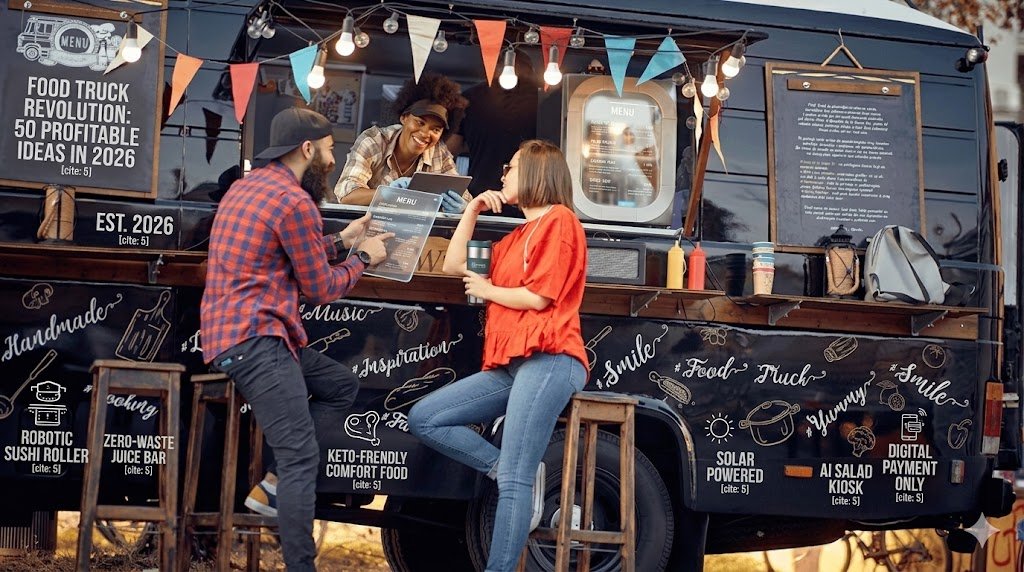
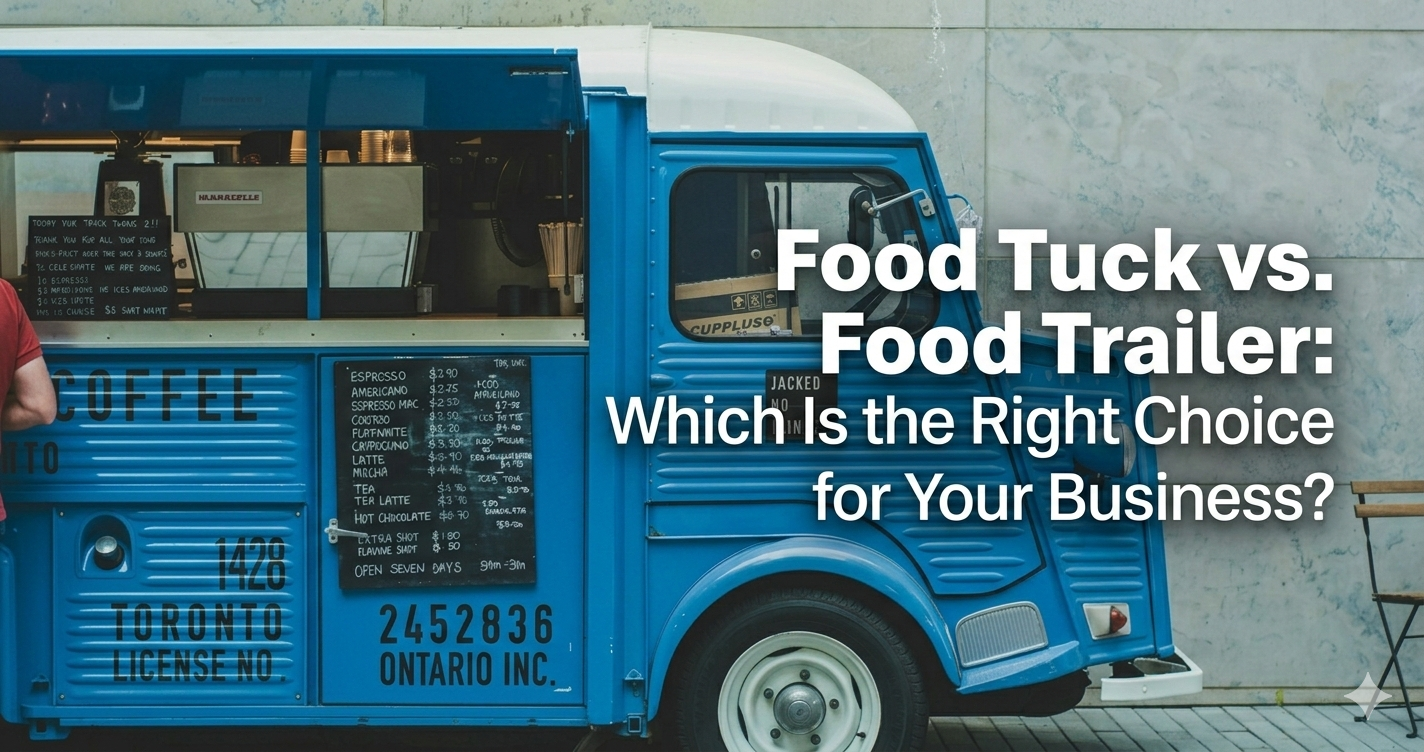
A food truck is a motorized vehicle that combines transportation and a commercial kitchen in one unit. The kitchen is built directly into the vehicle, allowing operators to drive to different locations without needing a separate towing vehicle.
A food truck can be a practical option for businesses that regularly move between events, business districts, festivals, private events, and other locations.
The layout can be customized around the menu, cooking equipment, storage requirements, serving window, refrigeration, plumbing, and electrical systems.
For entrepreneurs considering a new food truck, planning the kitchen layout around the menu is important before construction begins.
What Is a Food Trailer?
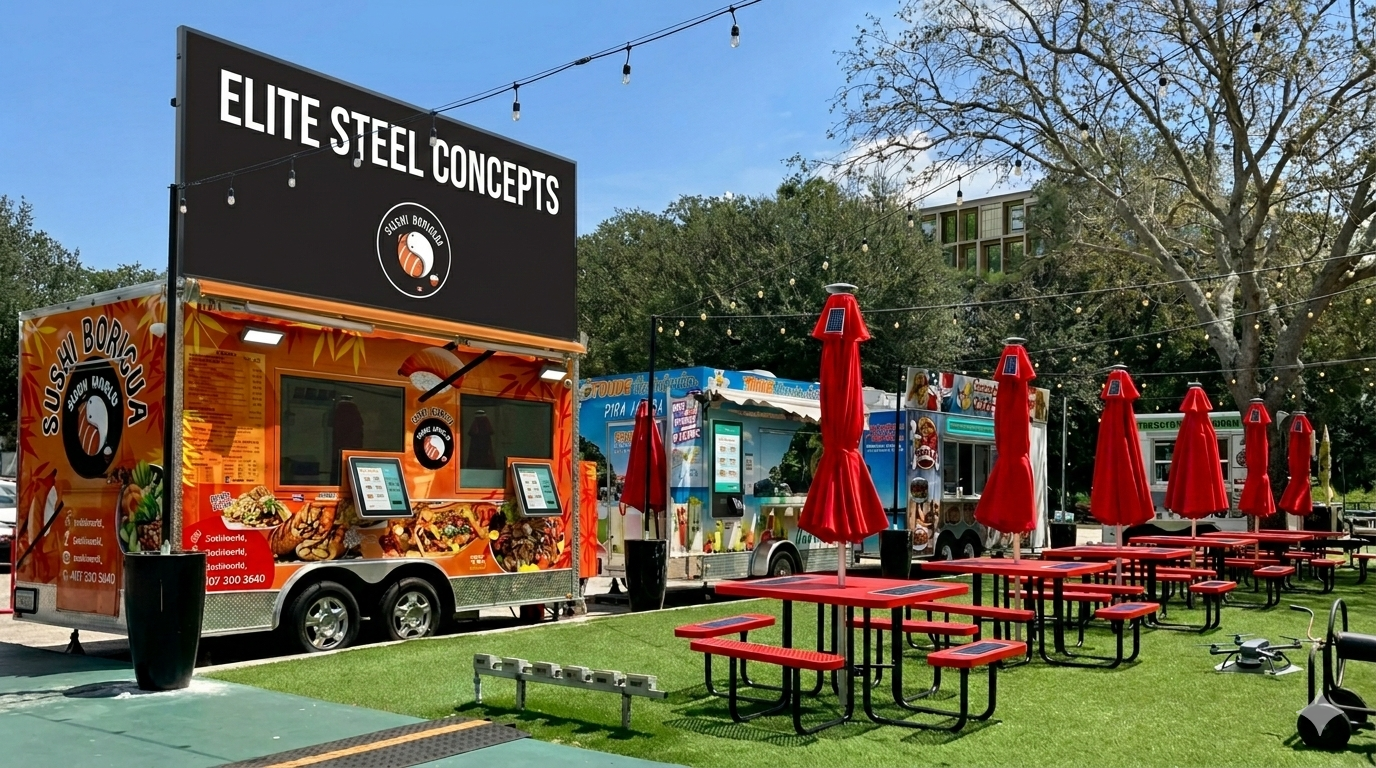
A food trailer is a towable mobile kitchen that requires a separate vehicle for transportation. Trailers are available in different sizes and configurations, from compact units to larger commercial kitchens.
Because the trailer does not contain its own engine and driving system, the kitchen area can be designed primarily around food preparation and service.
A food trailer may be suitable for businesses that already have a capable towing vehicle or plan to keep their mobile kitchen at specific locations for longer periods.
Food Trailers and Trucks: Main Differences
The biggest difference between these two options is how they are transported.
A food truck combines the vehicle and kitchen, while a trailer separates the kitchen from the towing vehicle. This affects mobility, storage, parking, maintenance, and daily operations.
Mobility
Food trucks are generally convenient when you need to move frequently. Since the kitchen and vehicle are integrated, you can drive directly from one location to another.
Food trailers require a suitable towing vehicle. Once the trailer reaches its destination, it can remain there while the towing vehicle is used for other purposes.
Your expected operating schedule should therefore be considered before choosing between the two.
Kitchen Space
Both food trucks and trailers can be built with professional commercial kitchens, but available space depends on the specific design.
A trailer can offer flexibility in kitchen layout because the design does not have to accommodate an engine compartment or driving area within the kitchen structure.
However, a properly planned food truck can also provide an efficient workspace with cooking equipment, refrigeration, storage, sinks, ventilation, and serving areas.
The right choice depends on your menu and required food truck equipment rather than simply choosing the largest available unit.
Transportation
With a food truck, transportation is integrated into the mobile kitchen.
With a trailer, you need a suitable tow vehicle and must consider towing capacity, trailer size, parking, maneuvering, and storage.
If you already own a suitable truck, a trailer may fit naturally into your business plan. If you do not want to manage towing, a food truck may provide a simpler daily setup.
Cost Considerations
The total investment varies significantly depending on size, equipment, customization, vehicle condition, and construction requirements.
When purchasing a food truck, consider more than the initial purchase price. Budget for insurance, maintenance, fuel, equipment, permits, branding, repairs, and operating expenses.
A trailer also involves costs beyond the trailer itself. You may need to purchase or maintain a towing vehicle, along with insurance and other operating expenses.
If you're comparing food trucks and trailers for sale, create a complete budget based on your expected business operations rather than comparing only purchase prices.
Food Truck Design and Equipment
Your menu should influence the mobile kitchen you choose.
A coffee concept may need espresso equipment, refrigeration, water systems, and specialized electrical capacity. A burger concept may require grills, refrigeration, ventilation, preparation space, and storage.
Likewise, a taco or barbecue concept can have different equipment and workflow requirements.
Good food truck design focuses on efficient movement between preparation, cooking, storage, and service areas.
Before construction, create an equipment list and determine how much space and power each item requires.
Custom Food Trailers and Trucks
Customization is useful when your business has specific equipment or workflow requirements.
Custom food trailers can be designed around your menu, serving volume, storage needs, and operating locations. Similarly, customized food trucks** can integrate the kitchen, vehicle, branding, plumbing, electrical systems, and equipment into one complete unit.
Working with experienced food truck builders can help you plan the layout before fabrication begins.
If you are researching a food truck builder, ask about construction experience, equipment installation, electrical systems, plumbing, ventilation, and applicable compliance requirements.
Which Is Better for Events?
Both options can work for food truck events, festivals, weddings, corporate gatherings, and private catering.
Food trucks can be convenient for operators who frequently travel between different events.
Food trailers can be useful when a business stays at an event for several hours or days and does not need to move the kitchen during service.
For businesses focused on catering, the decision may depend on event locations, towing arrangements, kitchen size, and transportation requirements.
Permits and Operating Requirements
Before opening, research the regulations that apply to your mobile food business.
Requirements can include business registration, health approvals, inspections, fire requirements, parking permissions, and food truck permits and licenses.
Rules vary between cities and states, so requirements should be confirmed with the relevant local authorities before construction and operation.
Planning these requirements early can also help your builder design the mobile kitchen around applicable standards.
Food Truck or Food Trailer: Which Fits Your Business?
A food truck may make sense if you:
Move between locations frequently.
Want transportation and kitchen facilities in one vehicle.
Regularly attend mobile events.
Prefer not to manage a separate towing vehicle.
A food trailer may make sense if you:
Already own a suitable tow vehicle.
Want more flexibility in kitchen layout.
Spend longer periods at individual locations.
Want to separate the kitchen from the transportation vehicle.
Neither option works for every business. Your menu, operating locations, budget, equipment requirements, and business plan should guide the decision.
Plan Before You Buy
Before searching for food trucks for sale near me or small food trailers for sale, establish your business requirements.
Start with your menu and expected service volume. Then create an equipment list, determine your kitchen layout, estimate electrical and plumbing requirements, and research local regulations.
If you are deciding where to buy a food truck or trailer, compare construction quality, equipment, warranties, customization options, and long-term operating costs.
A well-planned mobile kitchen can make daily operations more efficient and give your business the flexibility it needs to serve customers in different locations.
Whether you choose a truck or trailer, working with experienced food truck builders can help you turn your business concept into a practical mobile kitchen built around your specific needs.
.jfif)