Introduction
Designing a successful
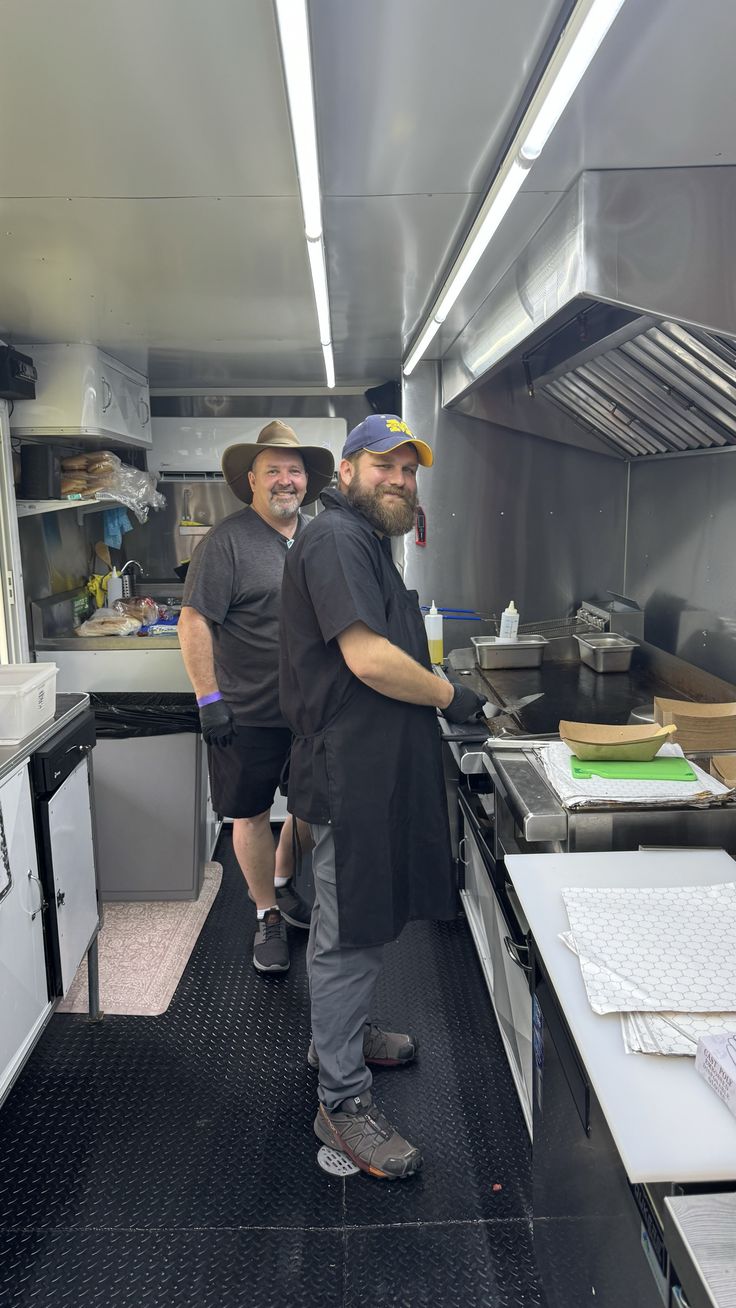
food truck kitchenn is about much more than fitting equipment into a small space. A well-planned kitchen improves workflow, increases serving speed, reduces employee fatigue, and helps you deliver consistent food quality during busy hours. Whether you're launching a new food truck, upgrading an existing unit, or working with a food truck builder, investing in smart
design will make your business more profitable.
Many entrepreneurs searching for where to buy a food truck focus only on the vehicle itself. However, the kitchen layout is what determines how efficiently your staff can prepare and serve customers. From equipment placement to storage solutions, every inch matters.
In this guide, we'll explain how to design a food truck kitchen that maximizes speed and efficiency while naturally incorporating the features customers expect from modern customized food trucks.
Start with Your Menu
Your menu should always determine your kitchen design. Before purchasing equipment or working with food truck builders, finalize what you'll sell.
Burger trucks require grills, fryers, and refrigeration.
Taco trucks need prep counters and warming stations.
Coffee trucks focus on espresso machines and storage.
BBQ trucks require smokers and ventilation.
.Keeping your menu focused reduces unnecessary equipment and creates a smoother workflow. Many successful
food truck business owners start with a limited menu before expanding later.
Choose the Right Kitchen Layout
A productive food truck kitchen design follows a logical workflow:
Storage → Preparation → Cooking → Assembly → Serving → Cleaning
This sequence minimizes unnecessary movement and allows employees to work efficiently without crossing paths.
Professional food truck builders near me often recommend designing the kitchen so employees move in one direction rather than constantly turning around.
A properly planned layout can significantly increase serving capacity during peak hours.
Invest in Quality Equipment
Equipment is one of the biggest investments when building a food trailer or truck.
Essential equipment includes:
Commercial refrigerator
Freezer
Flat-top grill
Deep fryer
Prep table
Stainless steel worktops
Ventilation hood
Handwashing sink
Three-compartment sink
Storage cabinets
Purchasing durable food truck equipment reduces maintenance costs and downtime.
When comparing food trailers and trucks, always choose equipment that balances performance with available space.
Maximize Every Inch of Storage
Space is limited inside food trailers, so efficient storage is essential.
Consider using:
Wall-mounted shelves
Magnetic knife holders
Ceiling storage racks
Under-counter refrigerators
Vertical ingredient bins
Pull-out drawers
Smart storage keeps ingredients organized and reduces the time employees spend searching for supplies.
Many
custom food trailers use vertical storage to maximize available workspace.
Create Dedicated Workstations
Instead of having employees share one workspace, divide your kitchen into stations.
Examples include:
Food prep station
Cooking station
Packaging station
Beverage station
Cleaning station
Dedicated workstations reduce confusion and improve service speed.
This approach is especially useful in busy food truck catering operations where large orders must be completed quickly.
Focus on Ergonomics
An efficient kitchen isn't just about speed—it's also about employee comfort.
Good ergonomic design includes:
Comfortable counter heights
Easy equipment access
Slip-resistant flooring
Adequate ventilation
Proper lighting
Reducing unnecessary movement allows employees to work faster while avoiding fatigue during long service hours.
Professional
food truck manufacturing companies often design kitchens with ergonomics in mind.
Maintain Proper Ventilation
Cooking inside a compact vehicle generates significant heat.
Proper ventilation:
Improves air quality
Reduces kitchen temperature
Removes smoke
Keeps employees comfortable
Protects cooking equipment
A high-quality exhaust hood and ventilation system are essential components of any food truck design.
Choose Durable Materials
Commercial kitchens experience heavy daily use.
Use materials such as:
Stainless steel countertops
Aluminum cabinets
Non-slip flooring
Waterproof wall panels
Easy-to-clean surfaces
These materials simplify cleaning while extending the life of your investment.
Whether you're planning a food trailer truck for sale or operating your own business, durable materials reduce long-term maintenance costs.
Plan Electrical and Plumbing Systems
Electrical planning is often overlooked during the design process.
Your kitchen should safely support:
Refrigeration
Cooking appliances
Lighting
POS system
Generator
Water pumps
Reliable power is critical for any food truck generator setup.
Likewise, plumbing should provide enough fresh water and wastewater capacity to comply with local food truck permits and licenses requirements.
Design for Easy Cleaning
Health inspections are part of every successful food truck operation.
Design your kitchen so employees can clean efficiently by including:
Rounded corners
Stainless steel surfaces
Easily removable equipment
Easily removable equipment
Accessible drains
Washable walls
Clean kitchens reduce contamination risks while improving customer confidence.
Think About Future Growth
Many first-time owners purchase small trucks that become too limited as sales increase.
If your budget allows, consider designing extra storage or leaving room for additional equipment.
Many entrepreneurs eventually expand into multiple food trucks and trailers after their first unit succeeds.
Planning ahead saves money on future renovations.
Work with Experienced Food Truck Builders
Choosing experienced food truck builders can make a significant difference in your business success.
Professional builders understand:
Kitchen workflow
Health code compliance
Equipment placement
Electrical systems
Plumbing installation
Ventilation requirements
Whether you're searching for food truck manufacturers near me or exploring best food trailers manufacturers, compare previous projects, customer reviews, and customization options before making a decision.
Final Thoughts
An efficient food truck kitchen design is one of the most valuable investments you can make. A carefully planned layout improves workflow, increases serving speed, reduces operating costs, and creates a better experience for both employees and customers.
Whether you're looking to
buy a food truck new, compare food truck trailers for sale,
invest in custom food trailers, or work with an experienced food truck builder, always prioritize kitchen functionality over appearance. The right design will help your business serve more customers, maintain food quality, and maximize profits for years to come.
A successful food truck isn't just about the truck itself—it's about creating a kitchen that works as hard as you do.